



Powering Smarter Energy Solutions for Data Centres
The age of AI has arrived. From generative AI assistants, intelligent search engines to autonomous systems and advanced analytics, AI is becoming an increasingly part of everyday life and business operations. Behind this transformation lies a critical piece of infrastructure: data centres. In Asia Pacific, spending on data centres is growing at 9.6% a year, outpacing the rest of the world.
This growth comes with a significant challenge. The rise of AI workloads is dramatically increasing electricity demand. Energy demand from data centres, driven primarily by AI, is projected to add hundreds of terawatt-hours to global energy consumption by 2030.
In addition, experts believe the energy demand from data centres is expected to quadruple in Southeast Asia. This will place additional pressure on grid stability and power system resilience.
AI queries consume significantly more energy than traditional search queries. For instance, a ChatGPT query is estimated to consume about 2.9Wh of energy, nearly ten times more than a regular Google search.
Government policies are also shaping the future of data centres. Ambitious carbon neutrality targets are reshaping policies, incentives and regulations, influencing where and how data centres are designed, built and powered. Data centre operators will need to carefully manage the growing energy demands of their facilities while keeping a operating costs under control.
Meeting the Rising Energy Demands of AI
Many data centres are adopting renewable energy. Estimates reveal that a third of Southeast Asia’s data centres could be powered by renewable energy by 2030. They are tapping on solar and wind power, both abundant resources in Southeast Asia. These efforts can also be supported by battery storage and smarter energy management.
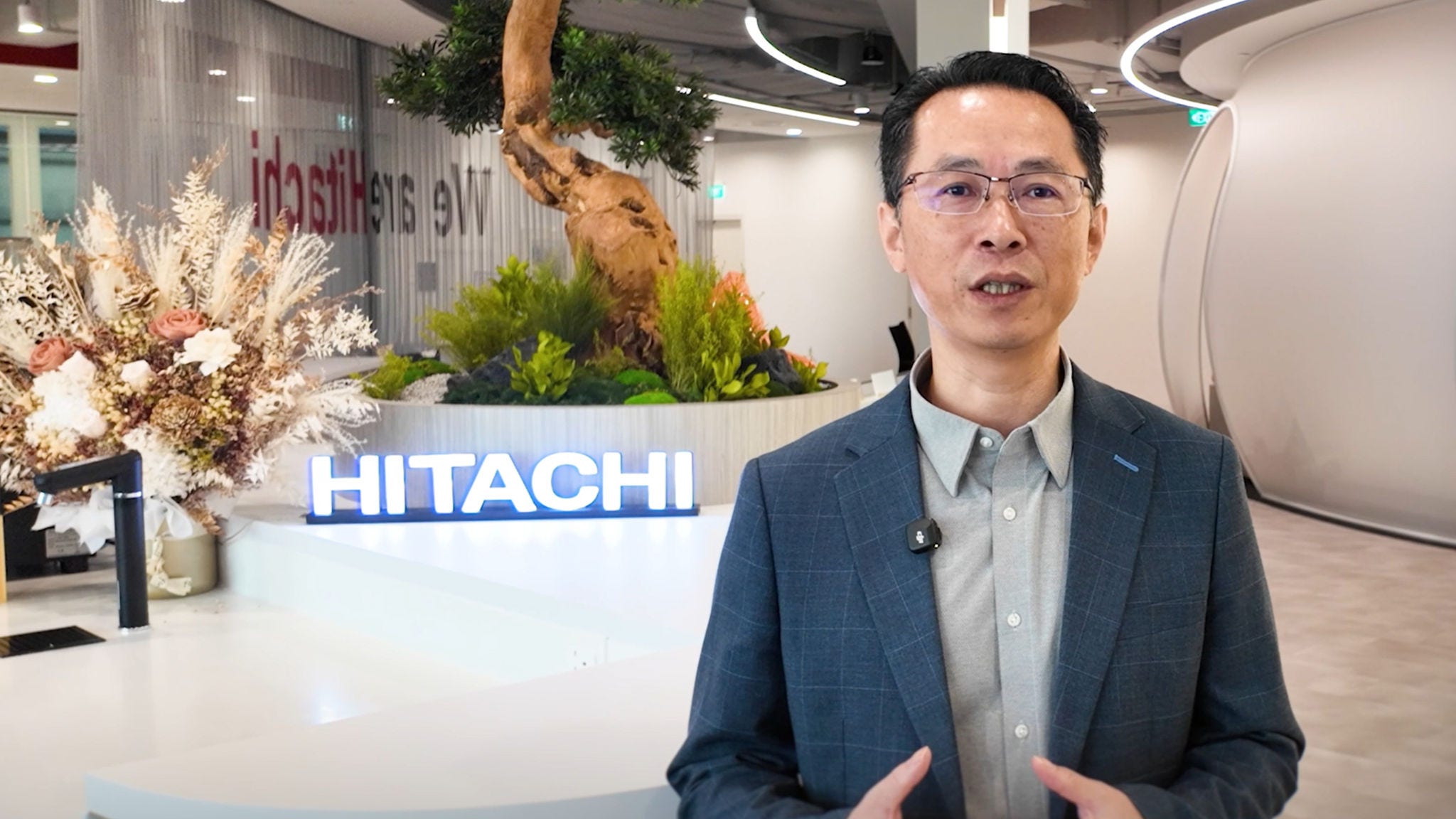
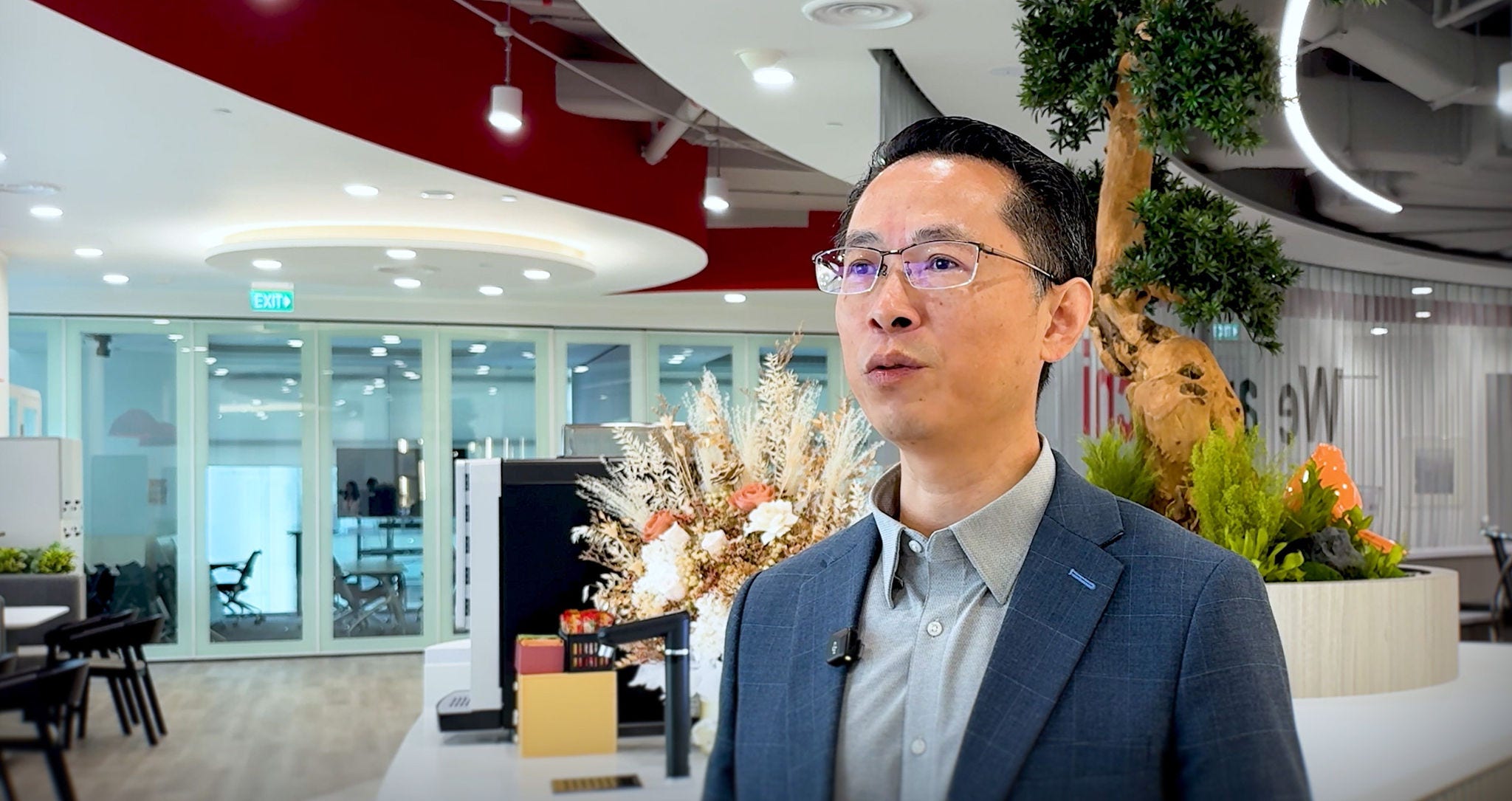
As shared by Dr Lin Wujuan, General Manager, Research & Development Center, Hitachi Asia Ltd,
“One of the biggest challenges we see today is energy management for high‑demand facilities, such as data centres. We need a smarter approach to manage its energy, carbon and cost.”
Hitachi is applying a different approach to a data centre’s energy needs. What if data centres are not just power-hungry infrastructures, but intelligent assets that can respond to fluctuations in the power grid? Can they become much more efficient by tapping on renewable energy to cover spikes in demand when needed?
First in Singapore: Advancing Energy Innovation Through Collaboration
To develop this approach, Hitachi is collaborating with the Singapore Institute of Technology (SIT) to co-develop a Hybrid AC/DC Rack-Level Power Distribution Testbed for Data Centres, a first-of-its-kind rack-level testbed in Singapore. The testbed will interface with SIT Punggol Campus’ Multi-Energy Microgrid, the first of its kind to be constructed
on a university campus in Southeast Asia.
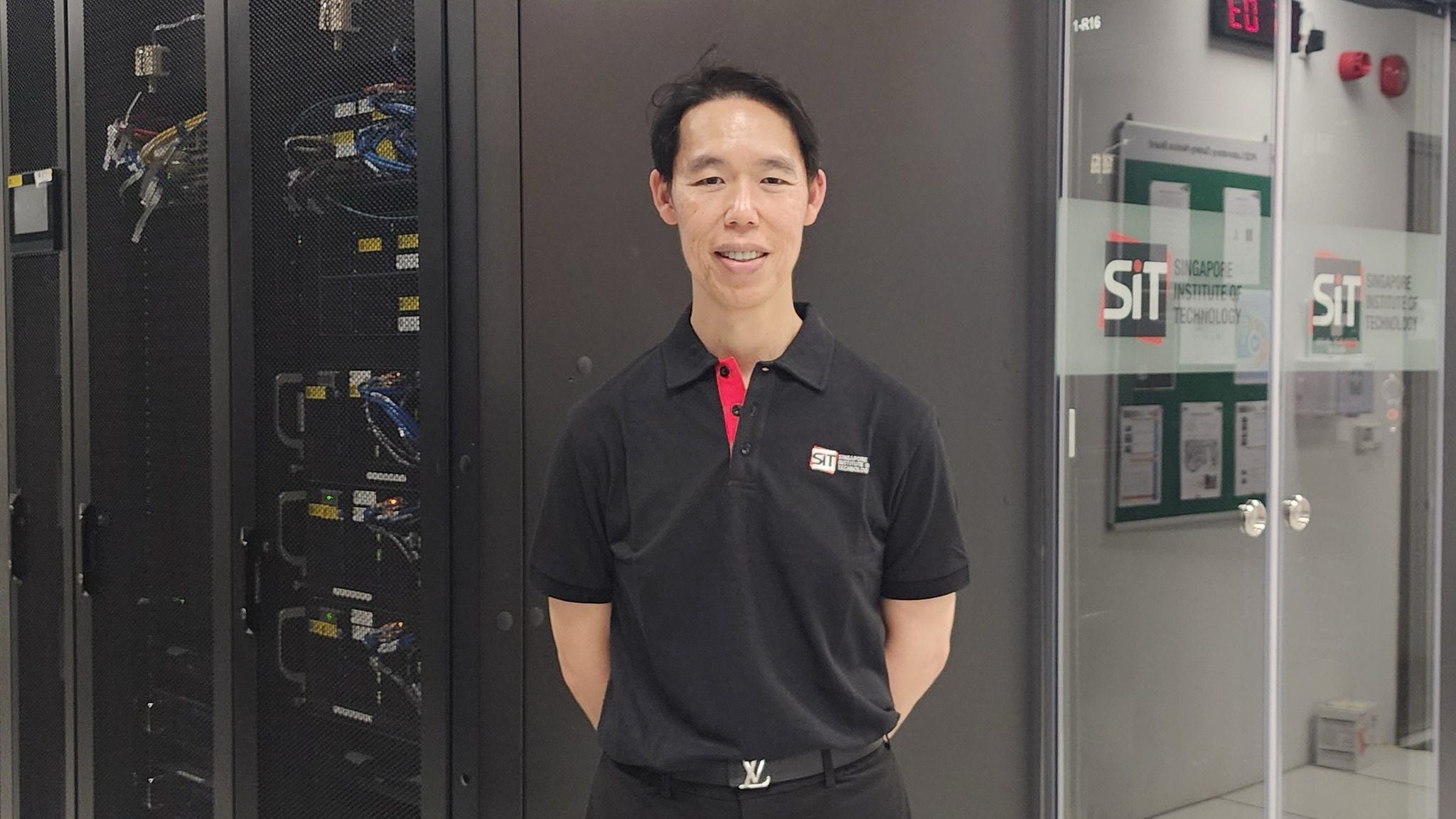
“This collaboration highlights SIT’s role as a university for industry, advancing practical energy innovation, supporting sustainable digital infrastructure, and preparing future-ready engineers for Singapore’s evolving needs,"
said Professor Steven Wong, Director of the Centre of Digital Enablement (CoDE), SIT.
The Multi-Energy Microgrid will integrate solar energy and other distributed energy resources to support campus-wide energy monitoring and optimisation. By using the campus as a real-world test environment, Hitachi and SIT will jointly deploy and evaluate advanced hybrid AC/DC power solutions under real-world operating conditions.
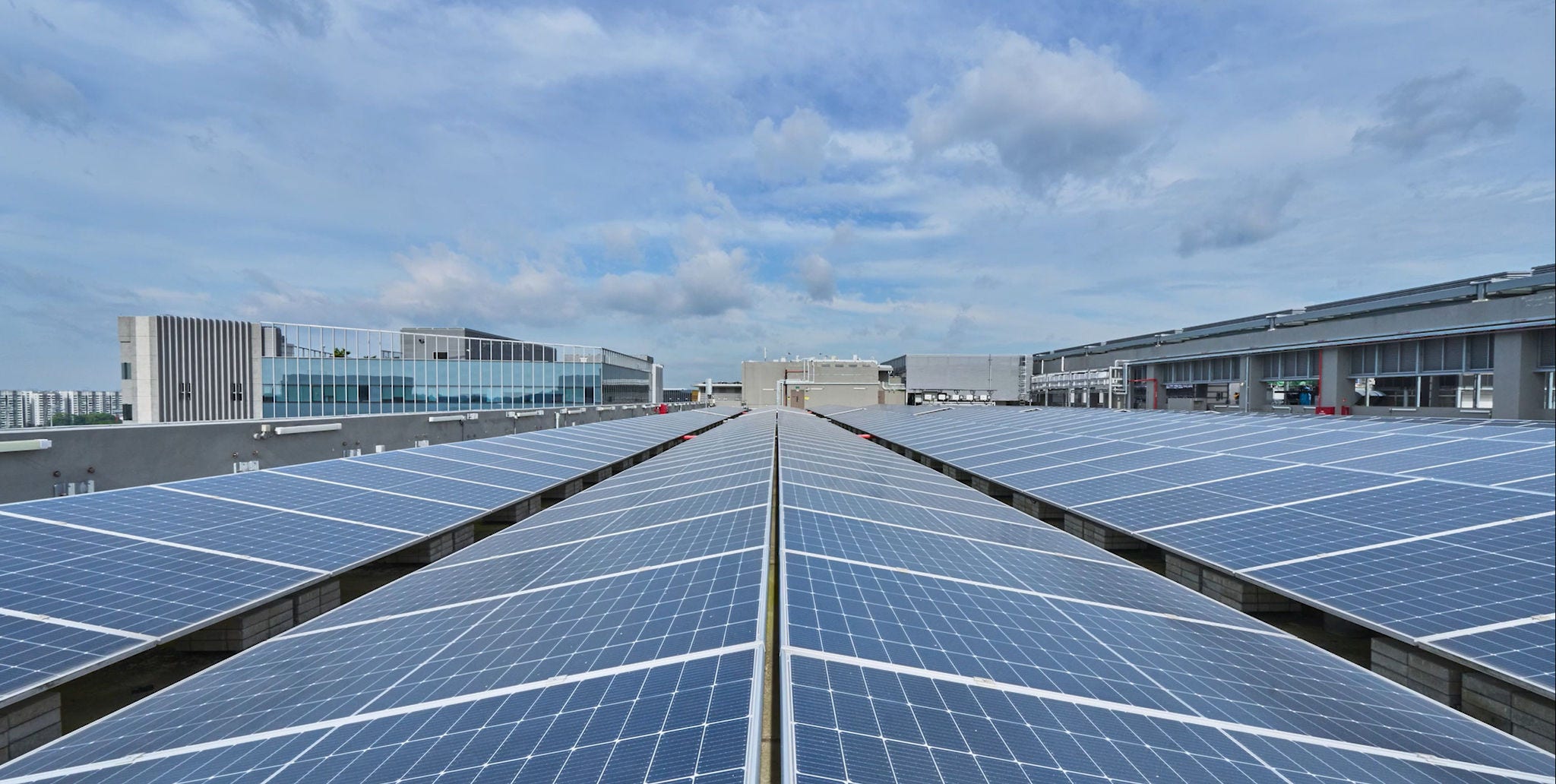
The testbed will allow Hitachi to evaluate hybrid AC/DC power distribution approaches for rack-level data centre infrastructure. The testbed will also include higher-voltage DC power distribution, which could support more efficient integration of renewable energy.
SIT students can also gain experience in energy innovation by working alongside Hitachi’s Research & Development (R&D) team on real-world projects.
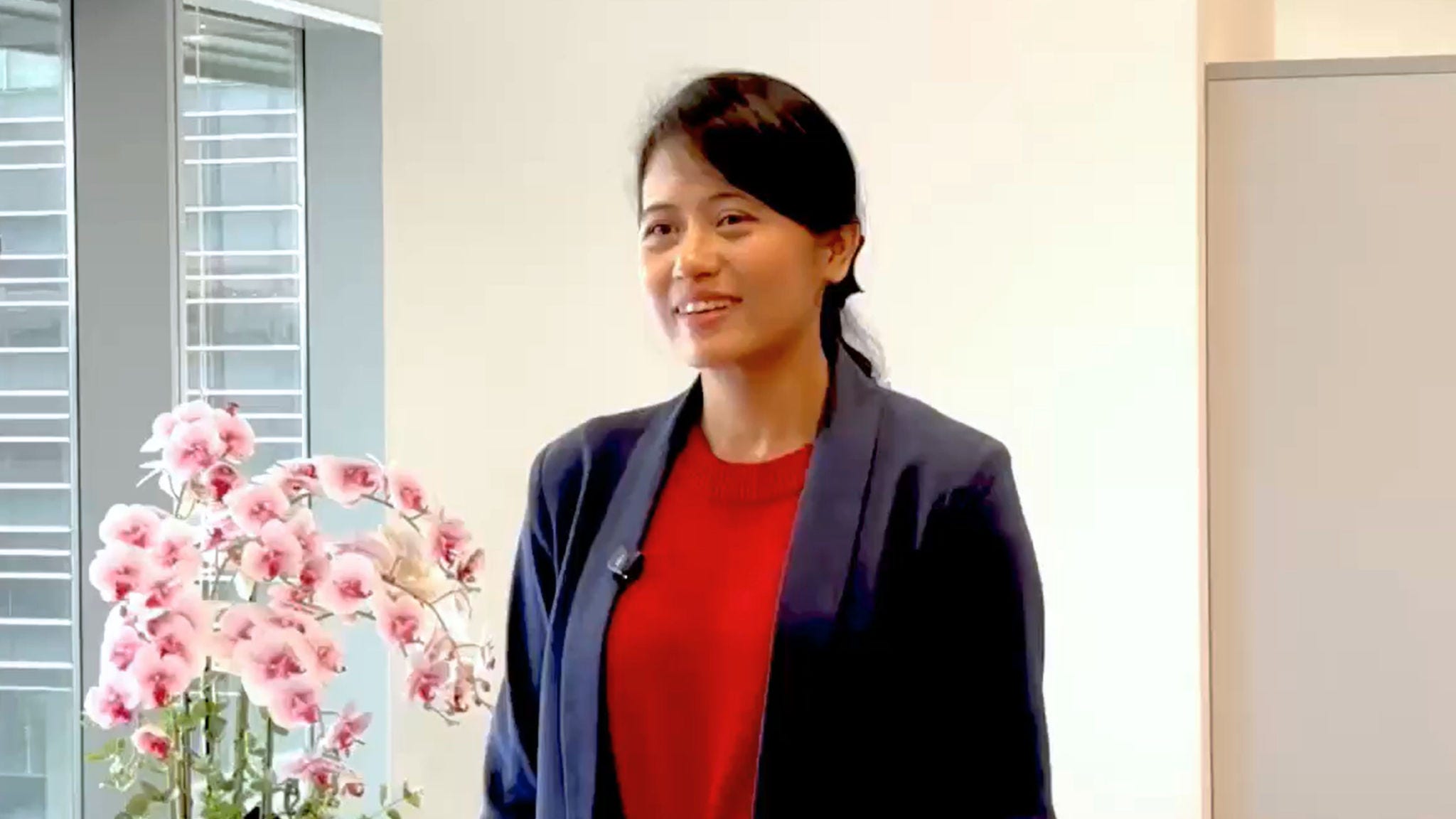
“This shows our commitment to developing sustainable solutions to reduce energy waste and pursue a greener, more resilient future,”
said Su Hnin Wut Yi, Chief Researcher, Research & Development Center, Hitachi Asia Ltd
Shaping what’s next through Energy Innovation
The collaboration with SIT is one step in Hitachi’s broader efforts to support a more sustainable future for data centres in an AI-driven world. Building on insights from this and other initiatives, Hitachi is turning to AI to create a holistic power management solution for data centres. This will form a holistic solution that allows data centres and other high demand infrastructures to effectively harness a mix of lower-carbon energy for its own needs.
Hitachi believes in transforming infrastructure through digital technology. Using data and smart technologies, data centres and other infrastructures can become intelligent assets that optimise energy and reduce pressure on the power grid.
By reimaging how data centres consume and manage energy. Hitachi is helping to shape what’s next for sustain digital infrastructure.
Hitachi aims to fulfil its role in supporting AI applications, while operating more sustainably and responsibly. This will, in turn, bring about economic growth and improve people’s well-being. This is Hitachi’s vision, in action.
Date of Release: July 2026
Share this:
Related Contents



Southeast Asia Headquarters - Singapore
Hitachi Asia Ltd.
20 Pasir Panjang #05-21
Mapletree Business City, Singapore 117439