



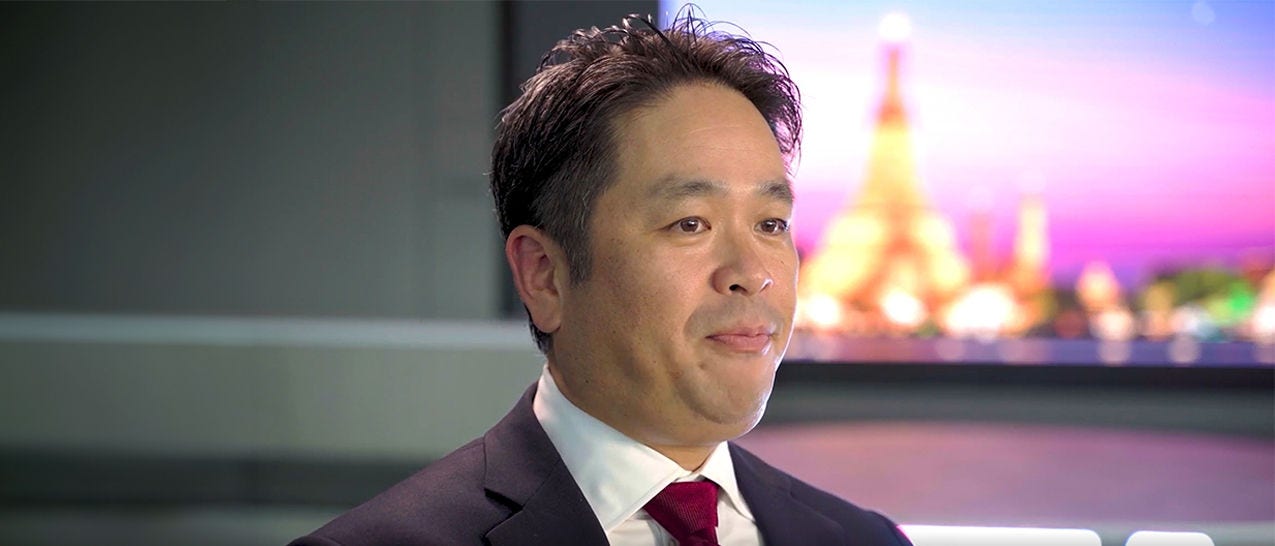
Driving what's next in Thailand, together
Thailand’s economic and social transformation lies in digitalisation.
The World Bank forecast and a fresh national strategy for digitalisation, should see a greater focus on cloud services, AI adoption and smart city development as part of Thailand’s digital expansion.
This builds on the kingdom’s early steps taken in collaboration with partners. Hitachi is honoured to be one of these partners, with a relationship built upon a long-standing presence in Thailand that has lasted for more than 60 years.
Being well represented in the country in the digital, energy, mobility, and industry sectors, there is much that Hitachi can offer, says Ikeda Taisuke, the Managing Director of Hitachi Asia in Thailand. “Each shows our commitment to innovation and social good” he says, adding that Hitachi will continue to support Thailand’s goals of digitalisation, sustainability, and economic growth by working with both the private and public sectors.
Smart Mobility in Rail Travel
In transport for instance, Hitachi’s collaboration with Thailand started as far back as 1936, with its supply of rolling stock. And in 2019, when the State Railway of Thailand (SRT) planned the country’s first electric commuter train service known as the Red Line, it partnered Hitachi for high capacity rolling stock.
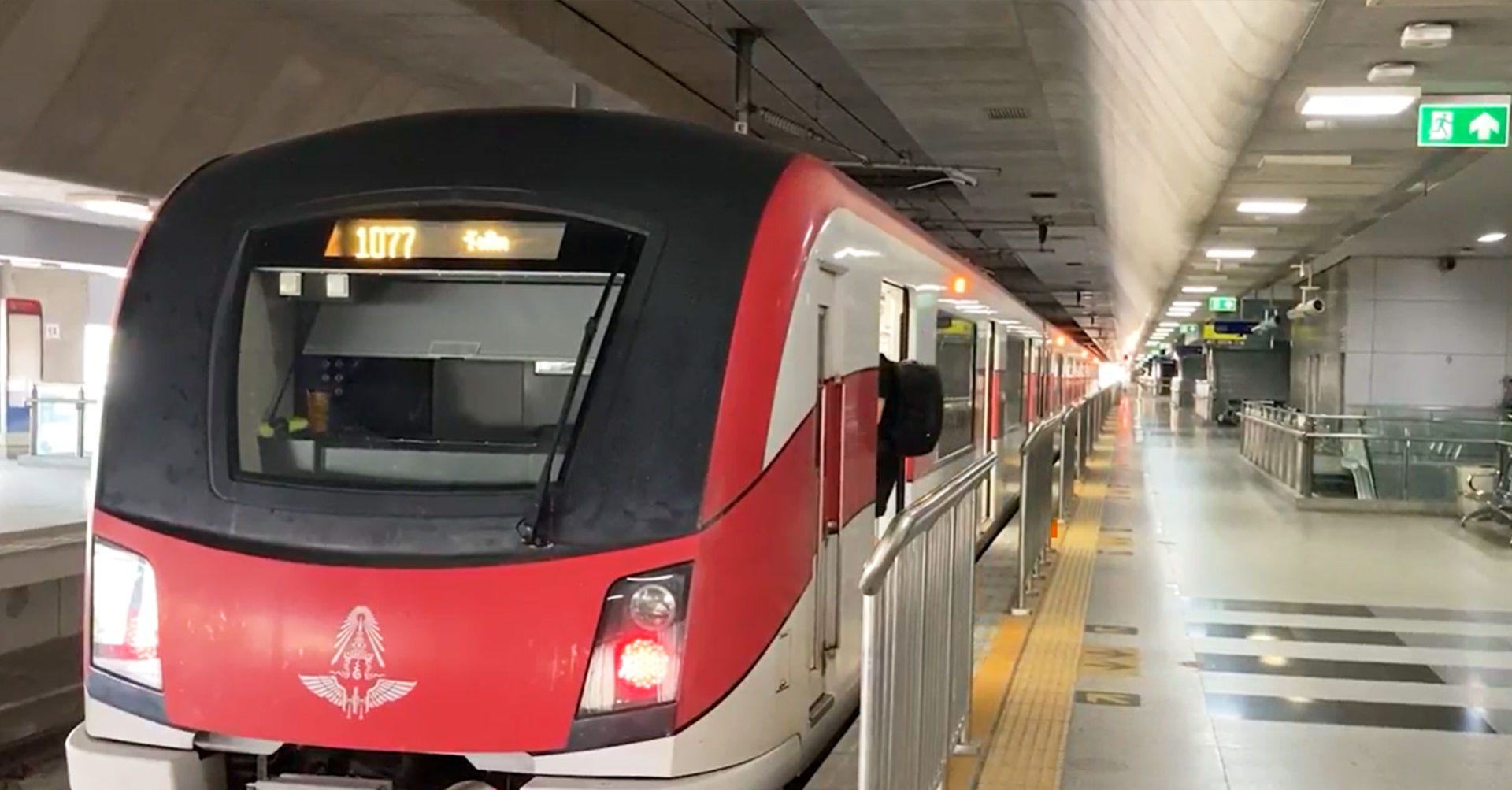
According to Dr. Athaphon Kawprasert, who is SRT’s Chief Special Project and Construction Engineer, the Red Line is key to an electrified train system in Thailand with plans for an extension into more suburbs.
The success of the sustainable transport system led Hitachi to its next mission – to address SRT’s need to improve safety.
With Thailand’s push towards European Train Control System (ETCS) adoption, the Hitachi team tailored SRT’s trackside information exchange system to suit local conditions. The automated digital solution helps train operators manage speed and movement at city cross junctions, thereby enhancing safety.
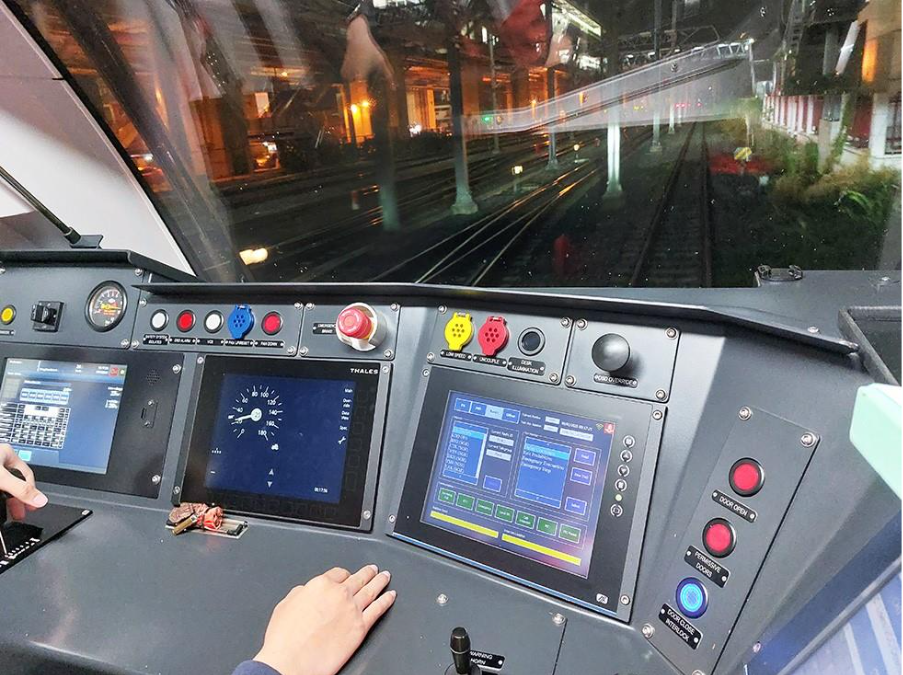
The added plus of the Hitachi Rail solution was that SRT could introduce a double-track train system. “Overall, we can offer rail users improvement of the travel time, punctuality and safety” says Dr. Athaphon who looks forward to a bright future in railway development that will benefit users and the country.
Smart Energy
Aside from smart mobility, the Red Line service also enjoys smart energy. Powering the electric train system is a compact high-voltage gas-insulated switchgear system.
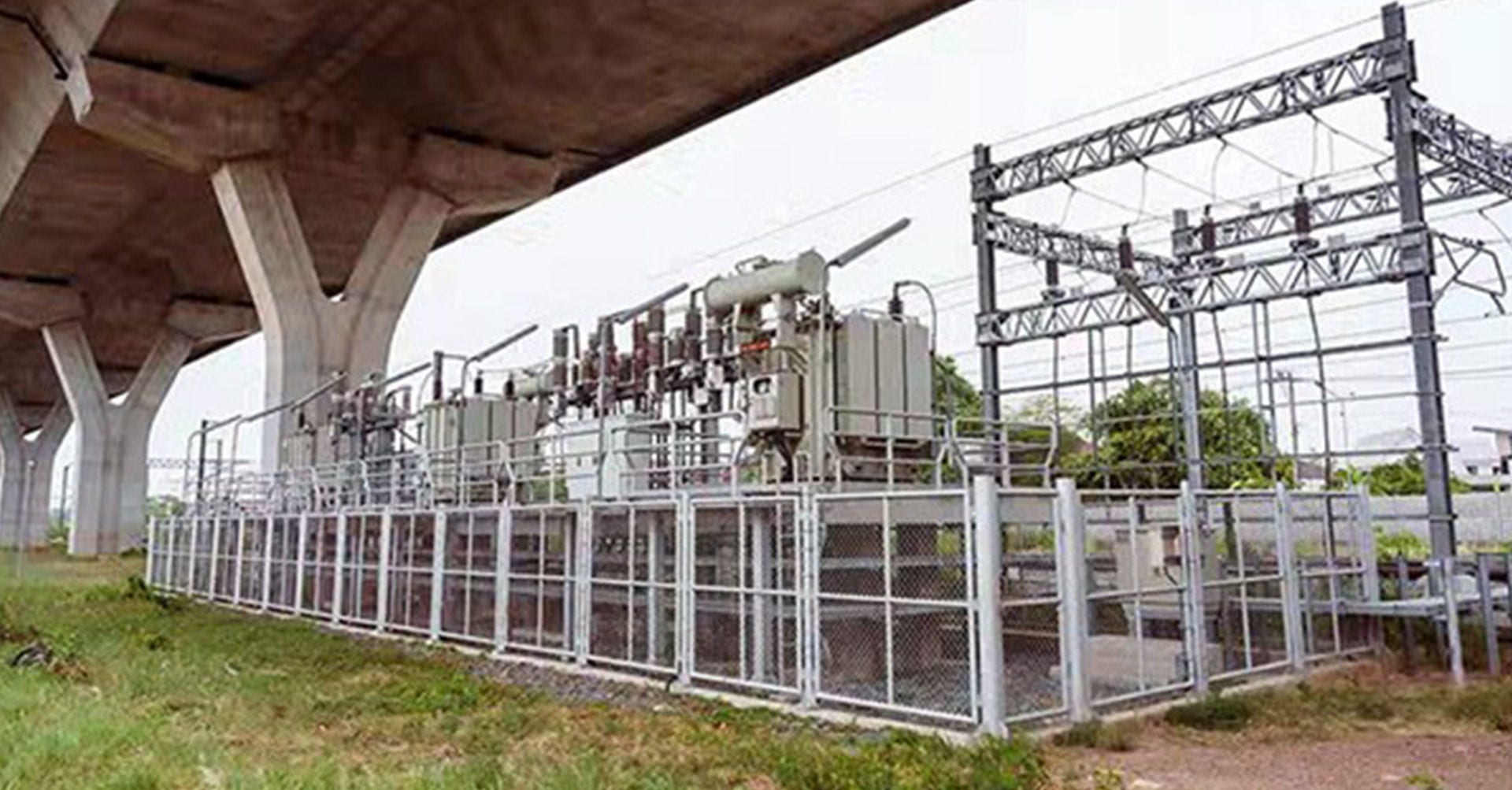
The Hitachi Energy solution takes up a small footprint and draws on lower energy with the smart energy grid connection. According to Dr. Worawut Waruttamapornsu, the Country Managing Director of Hitachi Energy (Thailand) Ltd, the digital power solution ensures the supply of stable and constant power that is drawn from the national grid.
With the success of Hitachi’s smart energy solution, this smart energy solution that also powers-Bangkok’s Yellow and Pink lines will soon drive the Orange line forward as well.
Smart Payments
With its suite of cutting-edge OT and IT solutions, Hitachi has also been collaborating with Thai mass transit operator, Bangkok Expressway and Metro Public Company Limited (BEM) in the area of fare collecting.
Keeping social innovation top-most in their minds, the Hitachi Rail team examined sustainability, such as reducing the use of plastic in the payment tokens. Another challenge was to reduce the stress of commuters who must bear with long lines to buy tokens for rides or top up cash cards.
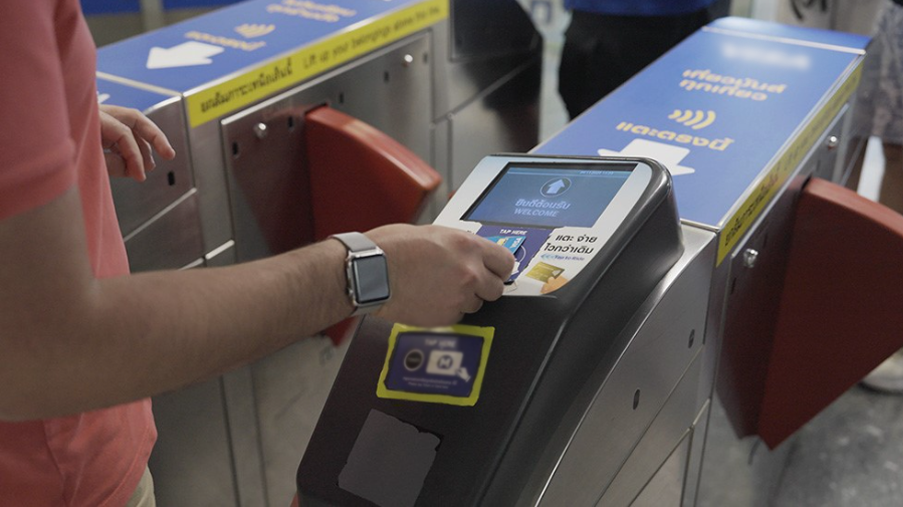
“Our main goal was making travel easier for our passengers” says Prawit Impornrugee, the Assistant Managing Director in BEM’s Strategy and Operations Performance Group.
“Hitachi was our main partner. They provided the EMV Tap-and-Go solution in our Blue Line and Purple Line stations. Passengers really like the convenience” he adds when sharing the positive response of users.
The cashless payment solution led to an additional benefit for Hitachi’s partner – lower maintenance costs - since the use of plastic tokens dropped.
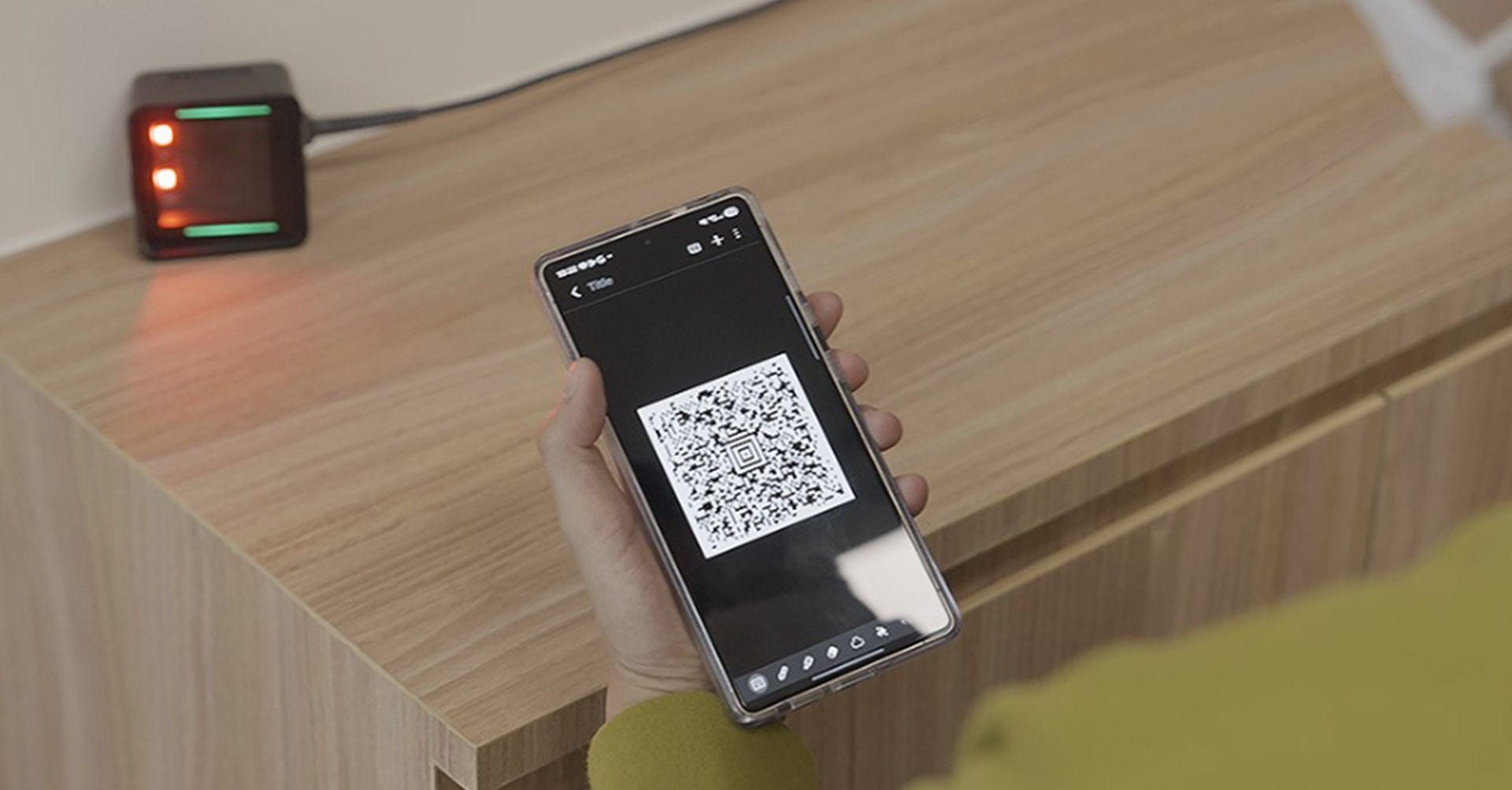
With the success of the EMV Tap-and-Go solution, what’s next is a QR Ticketing system says Punsupol Doungrat, Managing Director and Key Account Manager of Hitachi Rail in Thailand. The solution, which is expected to be in use by the fourth quarter of 2026, is built around Thailand’s reputation as a mobile-first country. As of 2025, Thailand’s mobile penetration rate stands at 139% and most digital payments are made through handheld devices such as the new Orange Line and more MRT stations in its network.
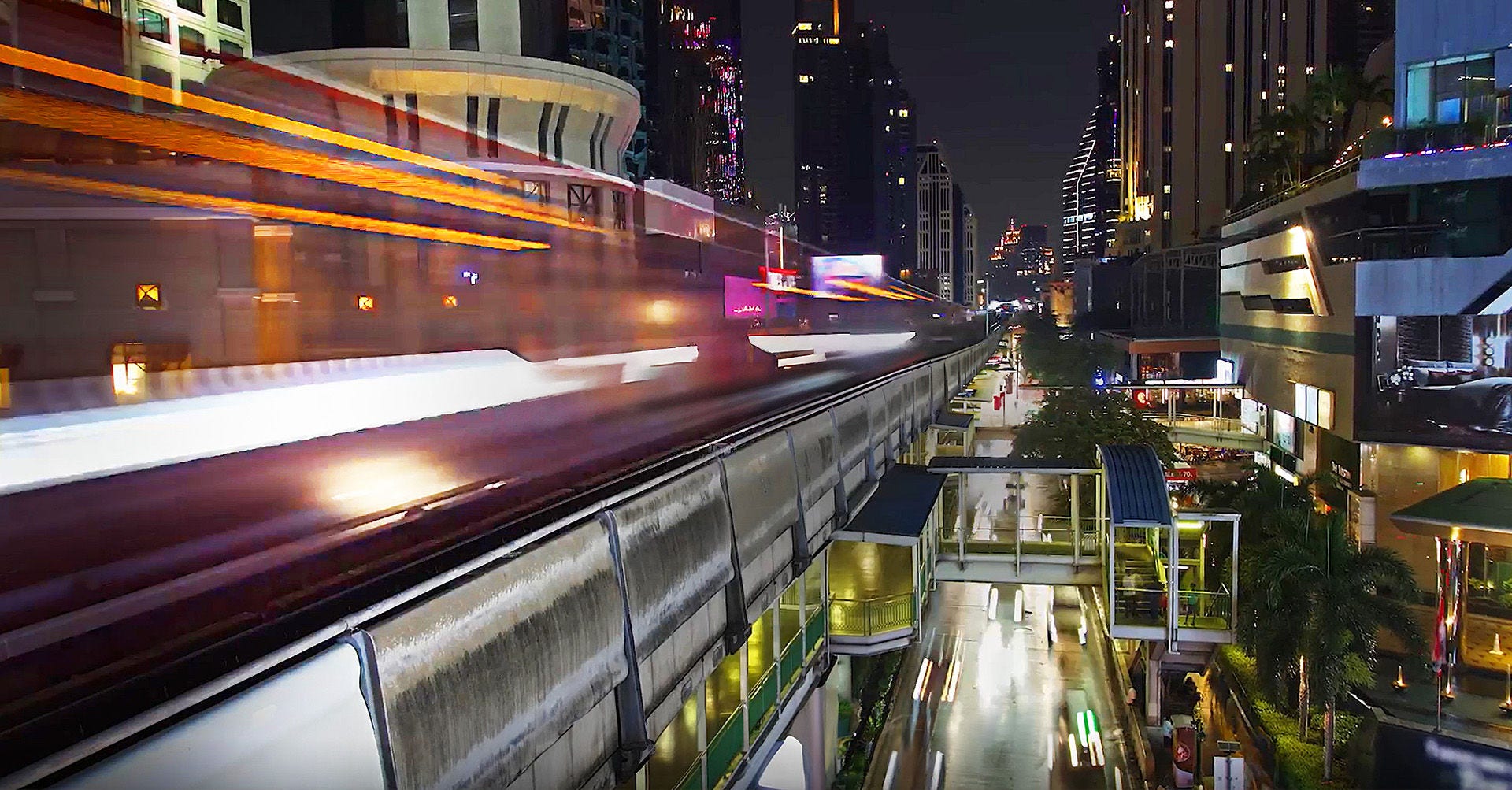
Looking ahead, Hitachi remains committed to connecting IT, OT and product expertise to address real-world challenges and deliver meaningful impact for society.
Anchored by local partnerships and backed by our global presence, we will continue to support Thailand’s progress while contributing to the broader transformation of Southeast Asia.
From sustainable infrastructure and energy systems to digital innovation that improves everyday lives, Hitachi is focused on creating long-term value for communities across the region.
Together we’re asking what’s next to build a better future.
Date of Release: March 2026
Share this:
Related Contents


Southeast Asia Headquarters - Singapore
Hitachi Asia Ltd.
20 Pasir Panjang #05-21
Mapletree Business City, Singapore 117439