



Powering a Sustainable Future: How Hitachi Energy is Modernising Southeast Asia’s Grids for the Energy Transition
Southeast Asia stands at a critical crossroad in its energy journey. With its growing population and rapid urbanisation, the region’s electricity demand is projected to double by 2050. Yet, more than 80% of this demand is still met by fossil fuels. As nations pledge net-zero goals, the region must transform how it generates, distributes, and consumes power.
Modernising the Grid for a Renewable Future
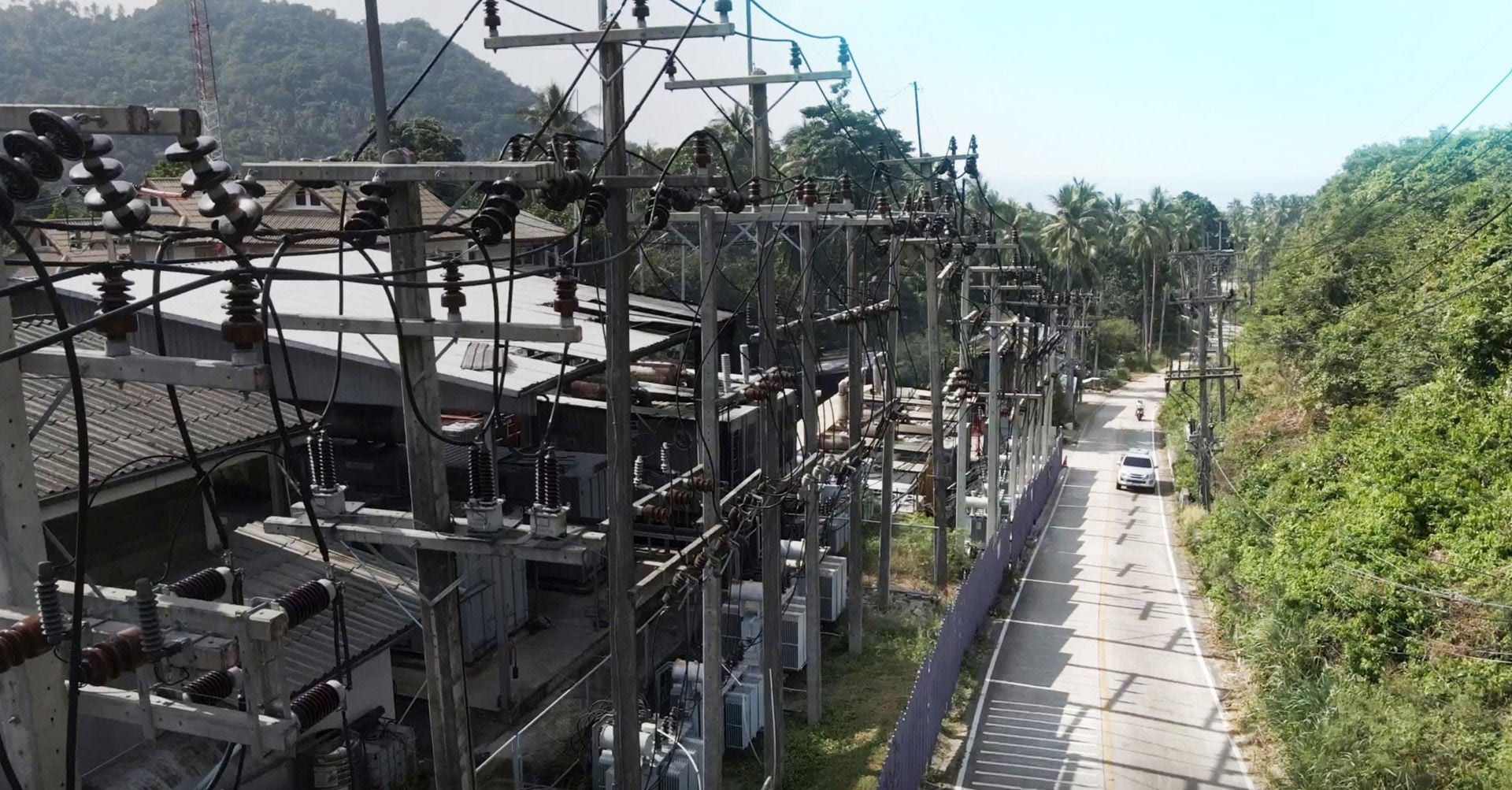
A stable and efficient energy grid is crucial for an economy to grow. In many parts of Southeast Asia, the energy grids were built decades ago for a fossil-fuel-powered system, not for renewable energies. As solar, wind, and hydropower gain momentum, the grids must evolve to handle fluctuating energy inputs, distributed generation and cross-border electricity trade.
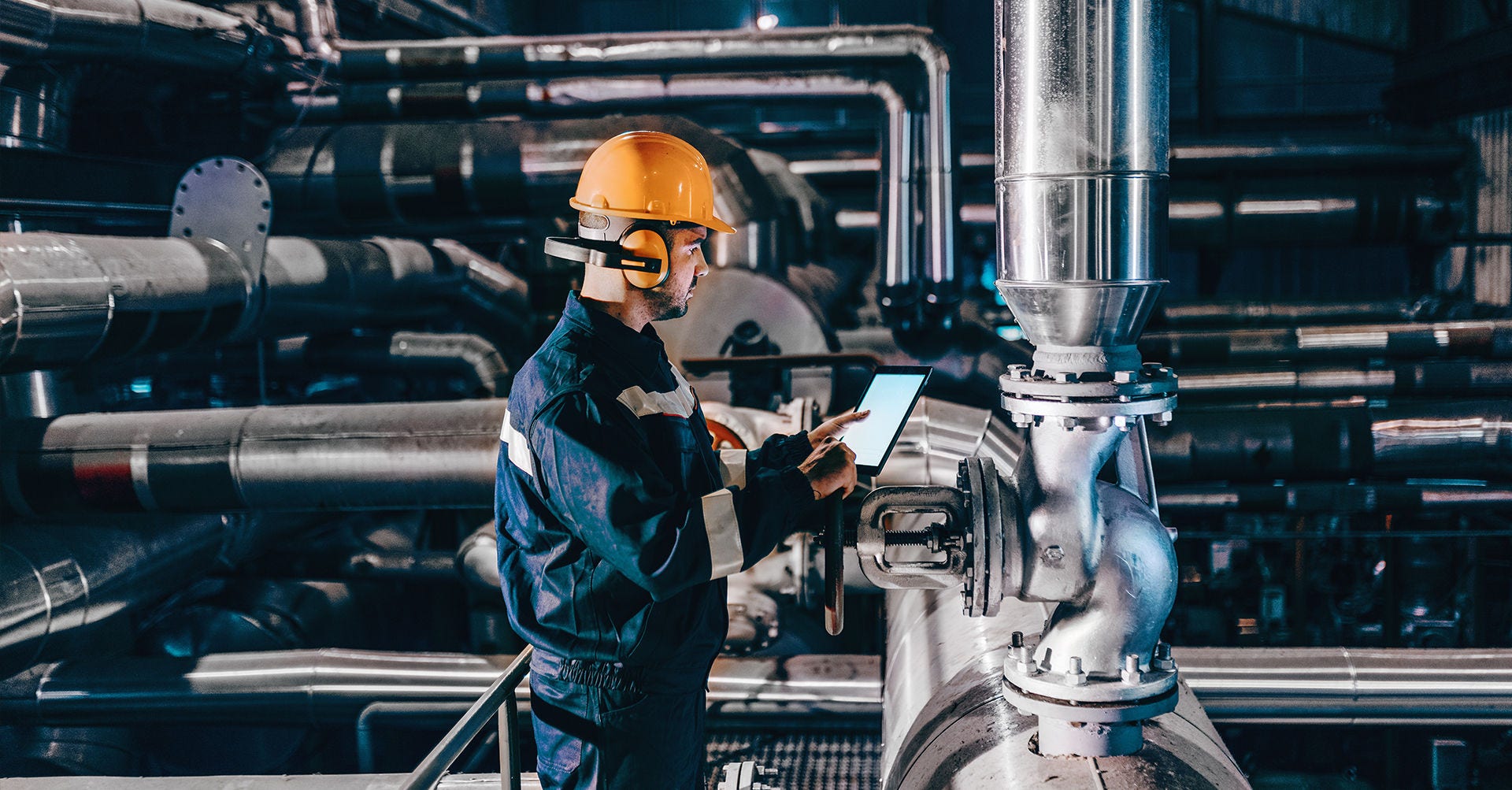
By combining advanced control systems, digital monitoring and automation technologies, Hitachi Energy is helping Southeast Asian countries to upgrade their ageing grid infrastructure and prepare for the future.
For example, Hitachi Energy’s MicroSCADA Pro system replaced an outdated control platform in a major Southeast Asian airport, offering operators a reliable way to monitor and manage power distribution across a large sprawling site with automated backup and improved disturbance detection
Hitachi Energy is also helping utilities to transition to modern cloud-based systems for asset maintenance. With our Asset Performance Management solution, grid operators can collect and analyse data from thousands of assets, such as transformers and switchgear. Through the analysis, the operators can anticipate equipment failures and lower operational costs while improving reliability across transmission and distribution networks.
HVDC Technology: Connecting Renewables Across Borders
Along with the growth in renewable energy, one of Southeast Asia’s biggest challenges lies in connecting renewable-rich areas to high-demand urban centres. Solar power may be abundant in a specific region, whereas hydropower or wind potential have greater potential in another region. Bridging these distances efficiently requires next-generation transmission, such as the HVDC (high-voltage direct current) technology.
Hitachi Energy is a global pioneer in high-voltage direct current (HVDC) systems. Unlike traditional alternating current transmission, HVDC enables power to be transmitted over thousands of kilometres with minimal losses. The technology also allows the interconnection of asynchronous grids, enabling countries to share renewable power beyond borders.
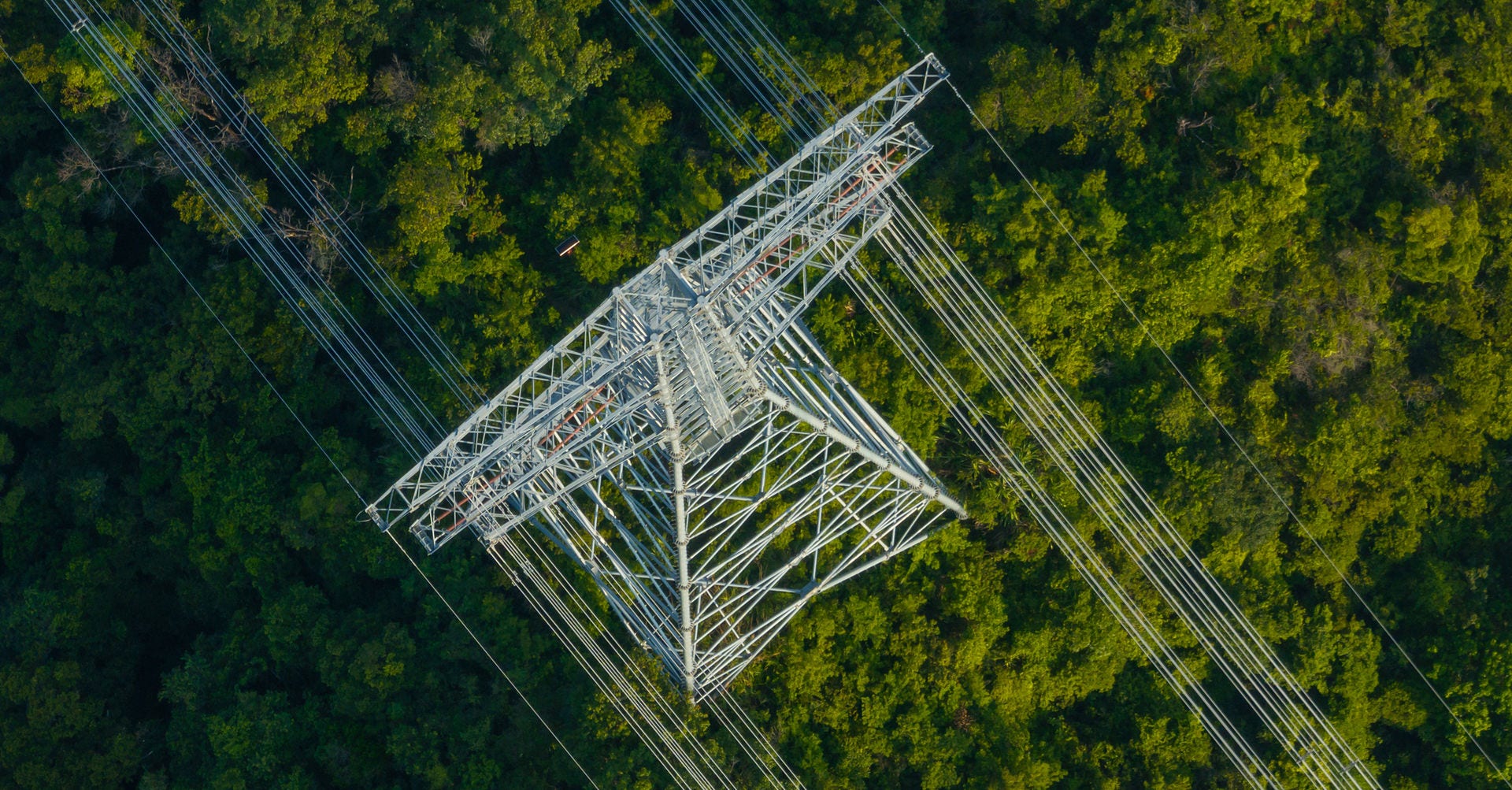
HVDC also supports grid stability. As renewable generation fluctuates with weather conditions, HVDC converters can rapidly adjust power flows and stabilise frequency and voltage across the network. This makes it possible to integrate higher shares of renewables without compromising reliability.
In a region like Southeast Asia, with its many islands and diverse national grids, this is a game-changer. HVDC can link remote solar farms, hydropower plants and offshore wind projects directly to industrial zones and cities, creating a truly connected regional energy network.
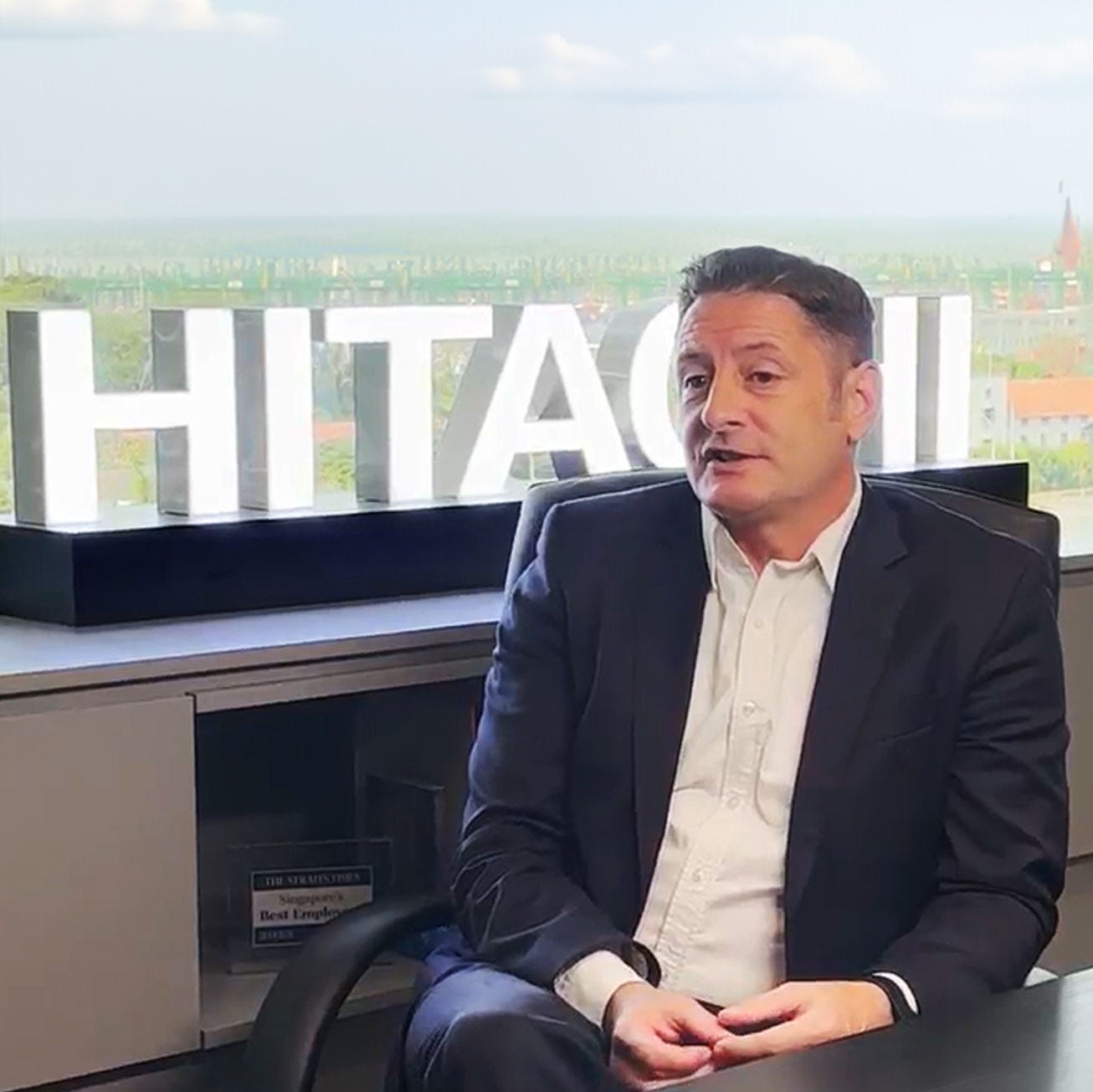
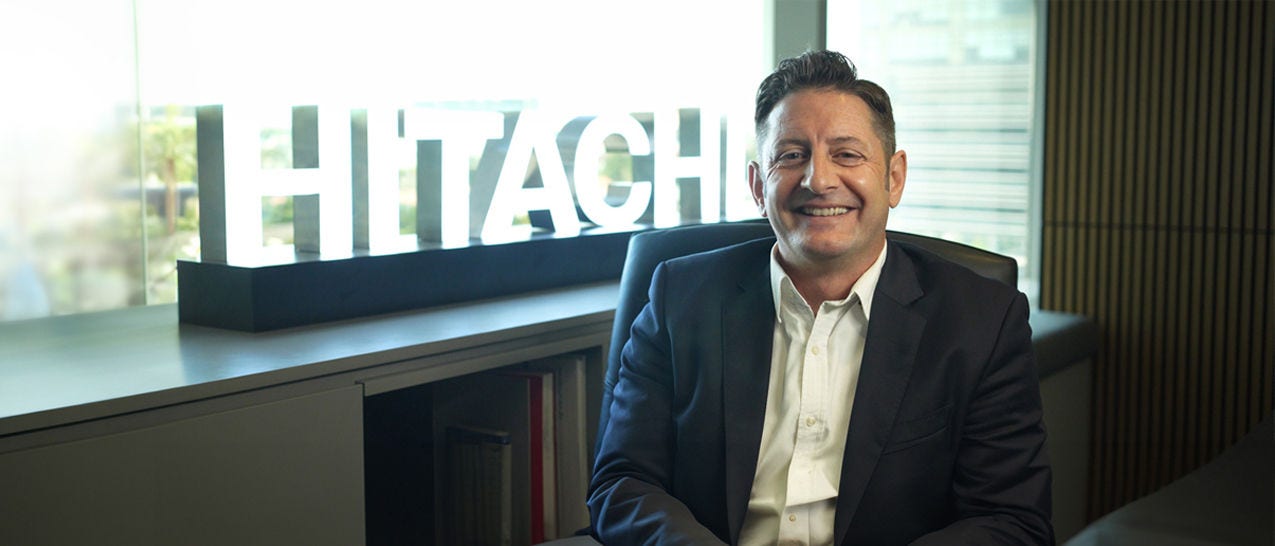
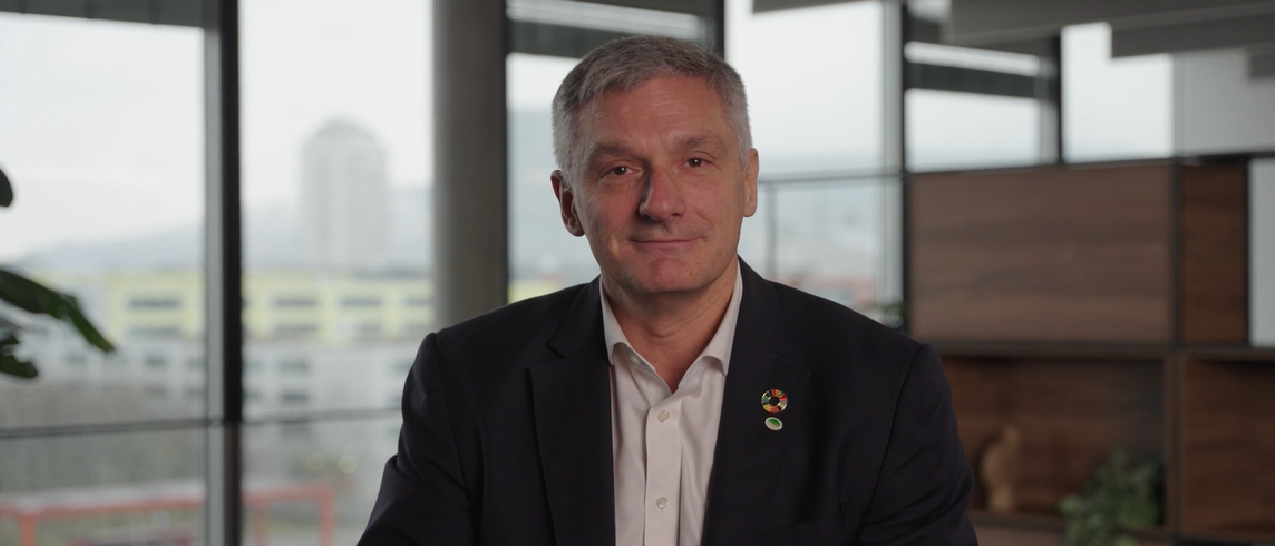
As Anthony Smith, Country Managing Director, Hitachi Energy Singapore, shares in a vodcast,
“At Hitachi Energy, we are a pioneer of solutions that help to integrate renewables into the system. We have helped enable over 200 gigawatts worth of renewable energy projects into the grid system through our HVDC solution”
One example is Hitachi Energy’s long-standing contribution to HVDC projects in the Philippines, where geothermal power from Leyte is transmitted efficiently to Luzon. Similar technologies could help interconnect ASEAN’s future Power Grid, an initiative that aims to enhance energy security and enable large-scale renewable trading across the region.
Technology for a Greener, Smarter Southeast Asia
Hitachi Energy’s strategy in Southeast Asia goes beyond engineering. It’s about building sustainable partnerships in the energy ecosystem. The company collaborates with governments, utilities, and industry players to co-develop solutions that align with national energy policies and climate commitments.
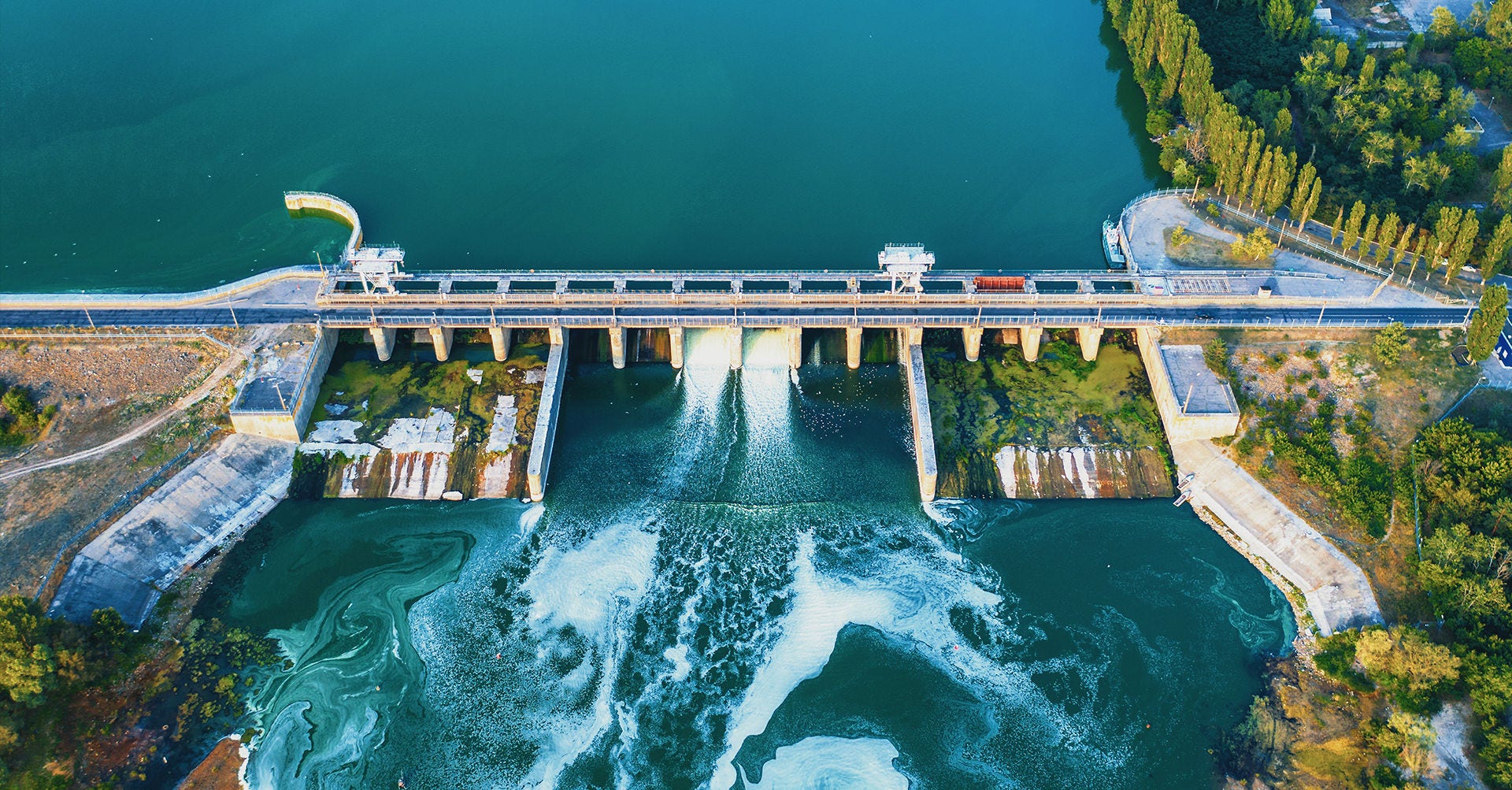
Globally, Hitachi has pledged US$6 billion in investments between 2024 and 2027 to accelerate clean energy innovation. A significant portion of this momentum is being directed into Southeast Asia, one of the world’s fastest-growing and most energy-hungry regions.
As Southeast Asia races to fulfil its net-zero ambitions, the region’s energy transition will depend not only on new renewable capacity but also on the intelligence and strength of the grid that supports it.
Hitachi Energy’s work, from modernising critical grid infrastructure to deploying HVDC links, is helping make that transformation possible. By merging cutting-edge technology with deep regional collaboration, the company is turning the promise of sustainable energy into a practical, scalable reality.
In doing so, Hitachi Energy isn’t just powering homes and cities. It is actively shaping what’s next for Southeast Asia’s sustainable energy landscape.
Date of Release: March 2026
Share this:
Related Contents


Southeast Asia Headquarters - Singapore
Hitachi Asia Ltd.
20 Pasir Panjang #05-21
Mapletree Business City, Singapore 117439