



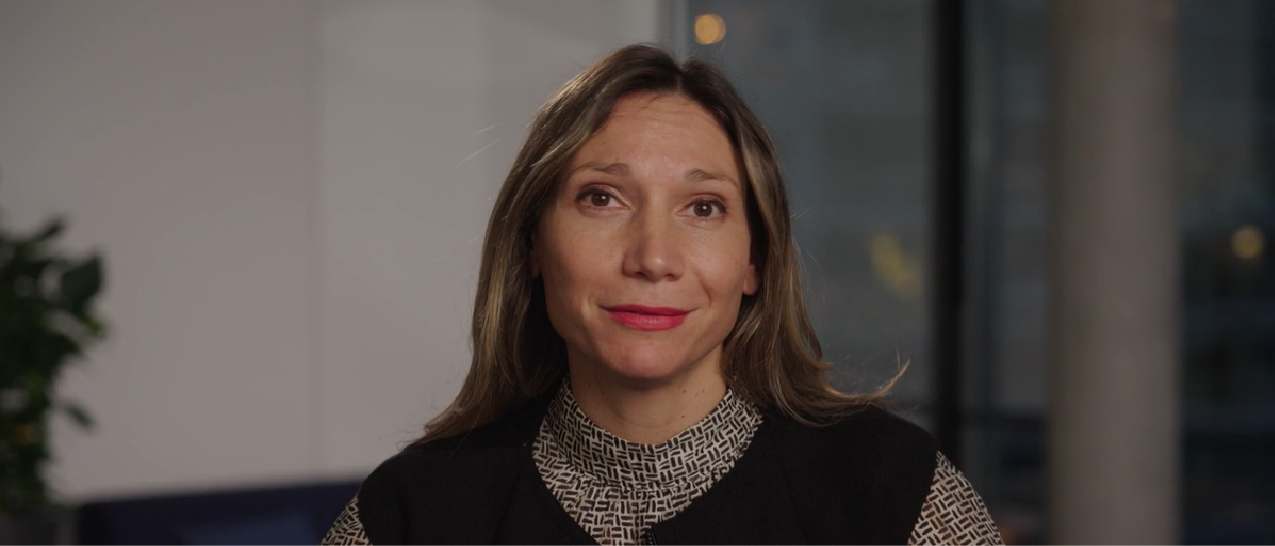
The Electricity Era: Unlocking the Power of the Grid to Connect the World
By Alicia Argüello, Global Head of Sustainability, Hitachi Energy
We live in a world of both immense possibility and huge challenges. Climate change, technology, and connectivity means that more than ever before we need affordable, sustainable and secure energy.
How do we create this energy system?
Electricity. Electricity can unblock the energy system of the future. Efficient, resilient and sustainable—it’s a no brainer. But it relies on having the right infrastructure.
The Electricity Era is here and now, and it’s a powerful shift, one with the potential to transform our futures for the better. We’ve already made great strides in generating renewable energy. Now our focus needs to turn to the next step—creating the infrastructure we need to power the world.
The hidden enabler of the energy transition – the power grid
The technology that transports high voltage, direct current power is incredible, moving renewable energy thousands of kilometers with minimal losses. That technology is constantly improving and evolving, but it’s also largely unseen and overlooked.
To give you an example, my five-year-old daughter has a book about energy. It shows wind farms on one side and houses on the other. In the middle? Just red lines. But there’s a lot more to the grid than that. Those ‘red lines’ handle incredible complexity moving energy from where it’s generated to where it’s needed. This technology is powering prosperity as global economies electrify.
Unblocking the potential of the grid
At COP30 this year, it was clearer than ever that a prosperous future depends on investing in the grid. The opportunity is immense, but the window of opportunity is closing. Grid bottlenecks are threatening to slow down the Electrification Era.
As of 2024, there are 3,000 gigawatts of renewable power waiting in the queue to be connected1. That’s roughly one third of the world's required power sitting unused because existing transmission lines can't handle the load.
Our priority is now clear: We must build the infrastructure needed to power the world. But awareness is increasing. At COP in Dubai two years ago I noticed infrastructure emerging during discussions. This year in Brazil it compounded and investors and ministers started to emphasize this need.
But there’s still a way to go. I stand by the perhaps overused phrase – there is no transition without transmission. We need transmission fit for the future.
The good news is that the technology already exists to get electricity flowing where it needs to go. This technology can simultaneously tackle many of the global challenges we face: decarbonization, energy security and affordability while powering prosperity across the world.
Energy has long driven human progress. In the new era, we can bring clean energy to everyone, connecting people who have, so far, been left behind. That’s what motivates me every day, because electricity has the power to change lives—if we can unlock its potential.
How are we doing this? Hitachi Energy is the world's largest transformer manufacturer in terms of installed base, portfolio range, manufacturing capacity, and market coverage2. We already serve around three billion people globally every day. That positions us at the forefront connecting communities and transporting power.
Digitizing complexity to make transmission simple
Our grid was originally designed for simplicity, but today, our energy demands have grown more and more complex. The ebb and flow of renewable generation, combined with growing demand from infrastructure like electric vehicles and data centers, means the grid is much more complex. We need to manage more volatile flows of energy while enabling a modern and strengthened grid.
Digitalization is key to managing that complexity.
Imagine the grid as veins in a human body. In the past, electricity flowed in a simple direction from A to B. Today it flows in multiple directions. Just as a doctor monitors blood pressure to prevent heart attacks, we need to digitalize the system so we can see the flow of electricity and predict problems before they happen.
Using digital twins, we can model demand and foresee where issues might arise, down to the local substation level. We can even use vegetation management software to identify plant growth near power lines that could disrupt the flow of electricity.
Connecting and growing the grid also requires upgrading physical assets. Our focus is therefore on circularity—recycling materials, repairing existing equipment, and modernizing infrastructure wherever possible to make it fit for the new era of electrification. For example, in partnership with the National Grid, we are phasing out SF6, an insulation gas with a global warming potential (GWP) 24,000 times that of CO2. In its place we’re using a new, lower-impact alternative: EconiQ gas mixture C4-FN, which offers similar performance and reliability but with a significantly lower GWP.
Bringing a global, connected outlook to energy
Unlocking the potential of the grid also requires a shift in mindset. Modernizing infrastructure isn’t something that can be done overnight. With our customers, we are shifting to plan decades ahead using framework agreements to plan capacity and ensure we can activate the supply chain early to meet soaring demand.
Collaboration is key. Collaboration on permitting, political agreements, financial planning, and forward planning is important. It’s time to break down siloes across the industry and geographies.
Expanding the grid requires moving from a local mindset to a global one and from short-term thinking to long-term strategy.
Investing in and improving the grid is about prosperity. Survival. Development. It’s not just about powering AI or decarbonizing industry. For the one in ten people globally without access to electricity, it’s about survival. It’s about helping people thrive while managing the impacts of climate change—like air conditioning for people in India when it is unsustainably hot outside. An equitable energy transition means the grid must work for everyone, everywhere.
That's the future we at Hitachi are building. One of prosperity, affordability, sustainability, and energy security. It’s the example we hope inspires the next generation.
We have the technology. We have the capital. What we need now is connection—not just wires—but policy, investment, and people. We are the generation that must get this right. Let’s get to work.
[1] Hitachi Energy calls for urgent action to strengthen power systems and address grid bottlenecks
[2] Hitachi Energy to invest additional $1.5 billion to ramp up global transformer production by 2027
Share this:
You may also like




European Headquarters
Hitachi Europe Limited
Ditton Park
Riding Court Road
Datchet
Slough, SL3 9LL, United Kingdom