



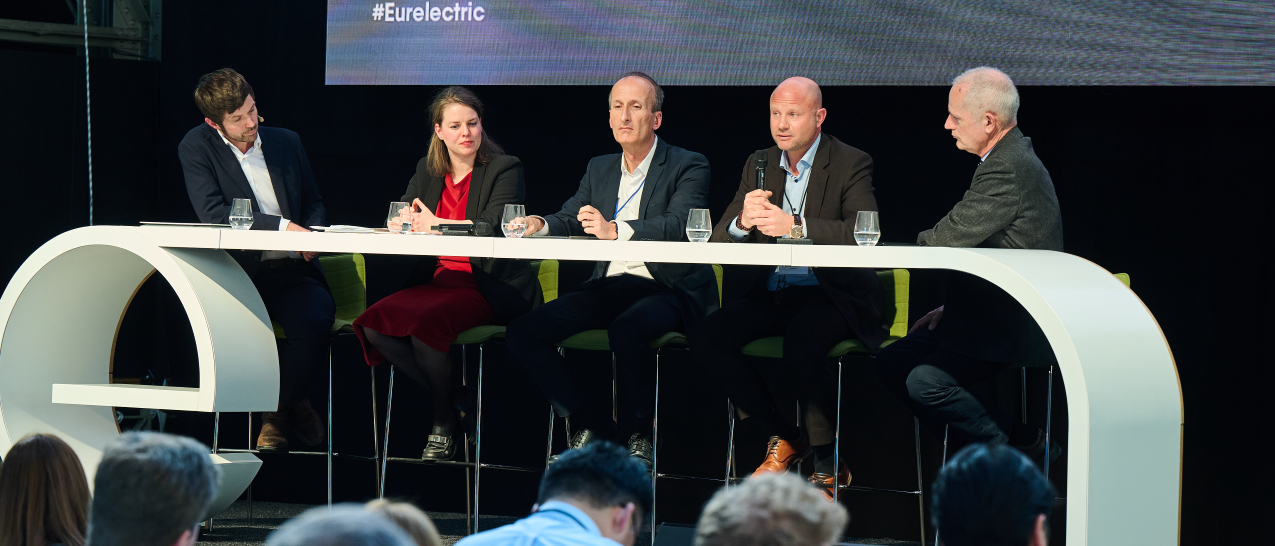
4-5th March 2026
Brussels, Belgium
Accelerating Fleet Electrification
Hitachi joined leaders from policy, energy, mobility and logistics at EVision 2026 to explore the future of Europe’s evolving eMobility landscape.
Across executive roundtables and panel discussions, our industry experts contributed to strategic conversations on the barriers to fleet electrification and the actions required to make progress.
Insights from the Executive Roundtable
Beyond the Plug: Unlocking Fleet Electrification to Move from Ambition to Scale
Discussions at the roundtable centered on what fleet operators need today to accelerate progress towards large scale electrification.
5 Key takeaways from the discussion:
1. Long term focus supported by adaptability
Organizations require clear frameworks to guide their electrification strategy, while maintaining the flexibility to adjust plans in response to operational constraints and evolving challenges.
2. Shift from a cost mindset to a value mindset
Although electrification requires upfront investment, the long‑term Total Cost of Ownership benefits, especially stronger risk mitigation and improved bankability typically outweigh the initial hesitation.


3. Grid infrastructure as a strategic asset
Shift from transactional connections to long-term, integrated grid planning. Grid infrastructure and planning must be viewed as an essential part of fleet electrification, yet this is often overlooked.
4. Technology as an enabler
Digitalization, data-driven optimization, and energy storage solutions are vital in supporting the journey to electrification.
5. Collaboration is essential
It’s clear that fleet electrification is advancing rapidly, but scaling requires regulatory alignment, grid readiness, smart charging strategies, digital integration, and coordinated investment models. Success depends on collaboration across the entire ecosystem from vehicle OEMs, grid operators and policymakers must coordinate to deliver value to society.
Panel Session
Grids & charging infrastructure: What are the enabling conditions to stay on track?
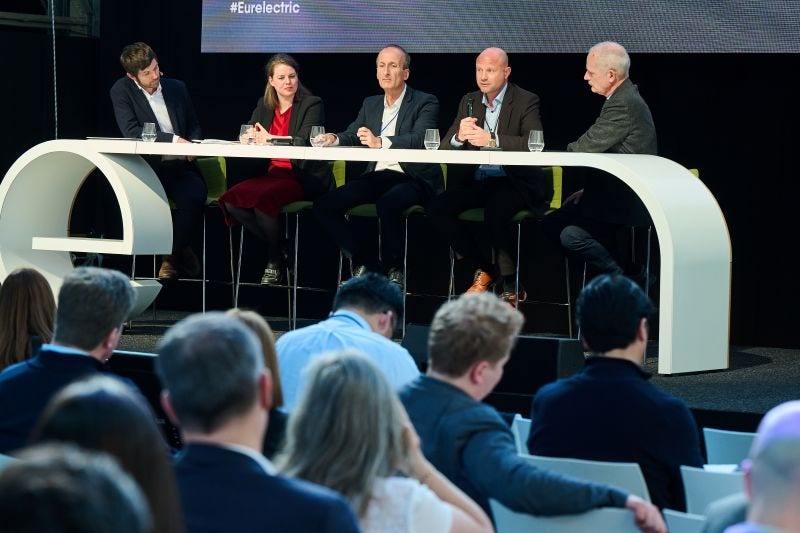
During this session André Burdet, Vice President & Head of eMobility Business, Strategic Social Innovation Business, Hitachi, shared valuable insights into how electrification can move from being viewed as solely a cost burden, but as a strategic opportunity for organizations.
Key insights:
- Fleet operators require clear actionable roadmaps to electrification
- Business cases must be built around long-term value
- Large scale progress relies on cross sector collaboration
Hitachi’s Approach to Electrification
Our expertise across energy, mobility, and digital enables us to support organizations holistically as they scale their transition. The conversations at EVision 2026 have reinforced that successful fleet electrification requires strong collaboration, systems thinking and innovation at scale.
Share this:
You may also like






European Headquarters
Hitachi Europe Limited
Ditton Park
Riding Court Road
Datchet
Slough, SL3 9LL, United Kingdom