




3-4th March 2026
Manchester, UK
Driving Systems Based Thinking Across Transport
Urban transport leaders are under increasing pressure to deliver more capacity, greater reliability, and lower carbon emissions while managing constrained budgets and ageing assets.
At Interchange 2026, Hitachi joined leaders across the transport ecosystem to explore how whole systems-thinking can help the sector respond to these challenges. Throughout the event, we collaborated with our partners and customers in three dedicated sessions to showcase and discuss a whole systems-thinking approach that creates a practical “whole network” view that improves decision-making and performance.
Our Insights
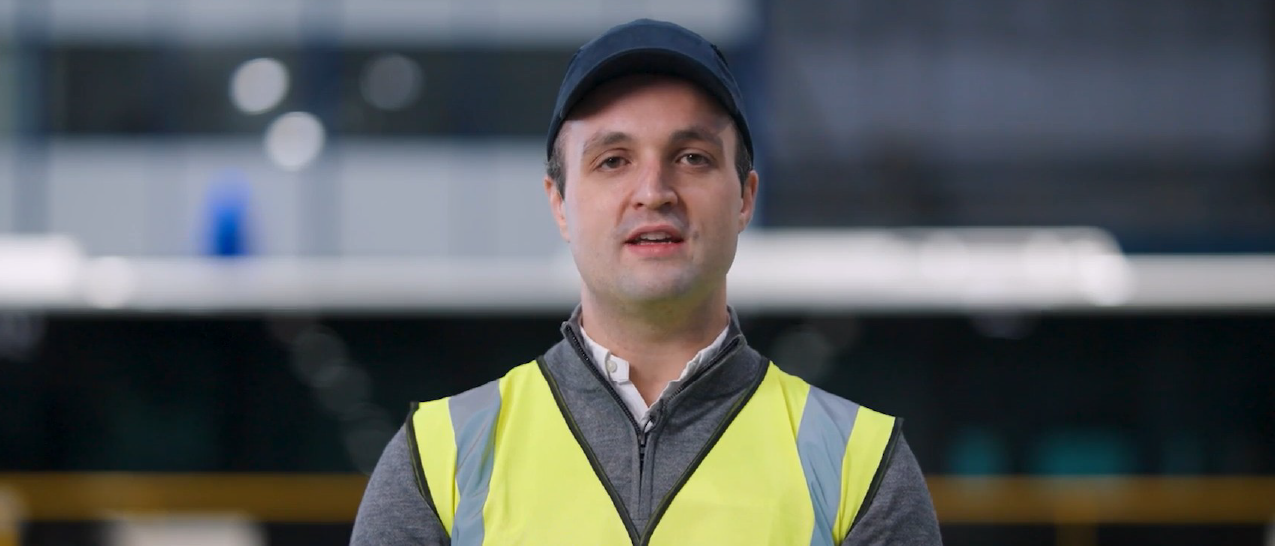
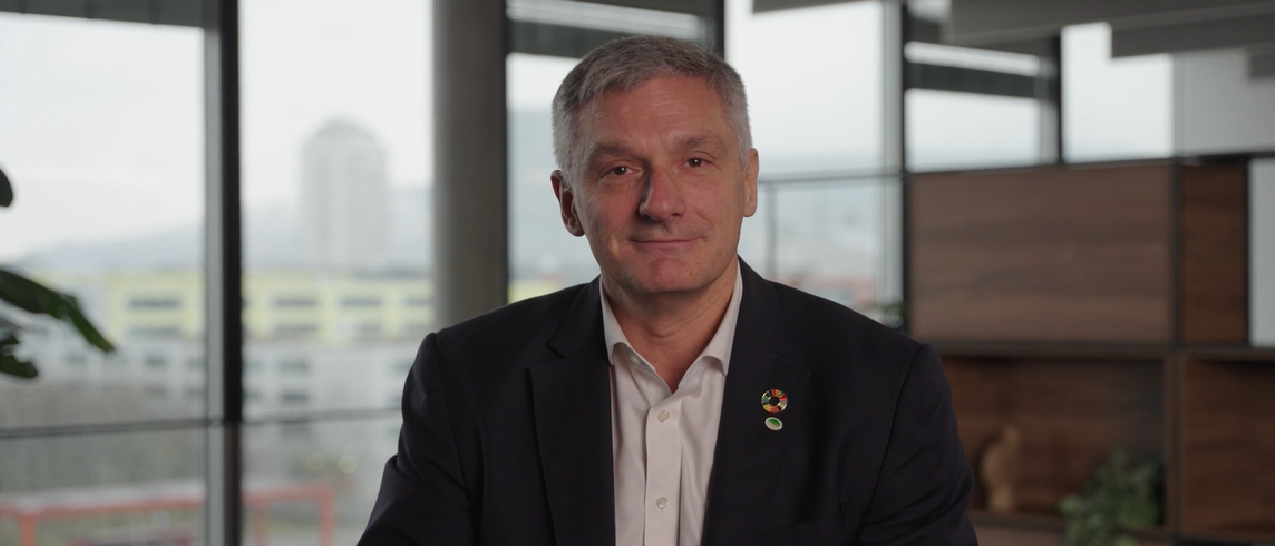
Hear from our Hitachi experts and partners as they share their insights from Interchange 2026
Session 1: Systems thinking for low-carbon urban mobility
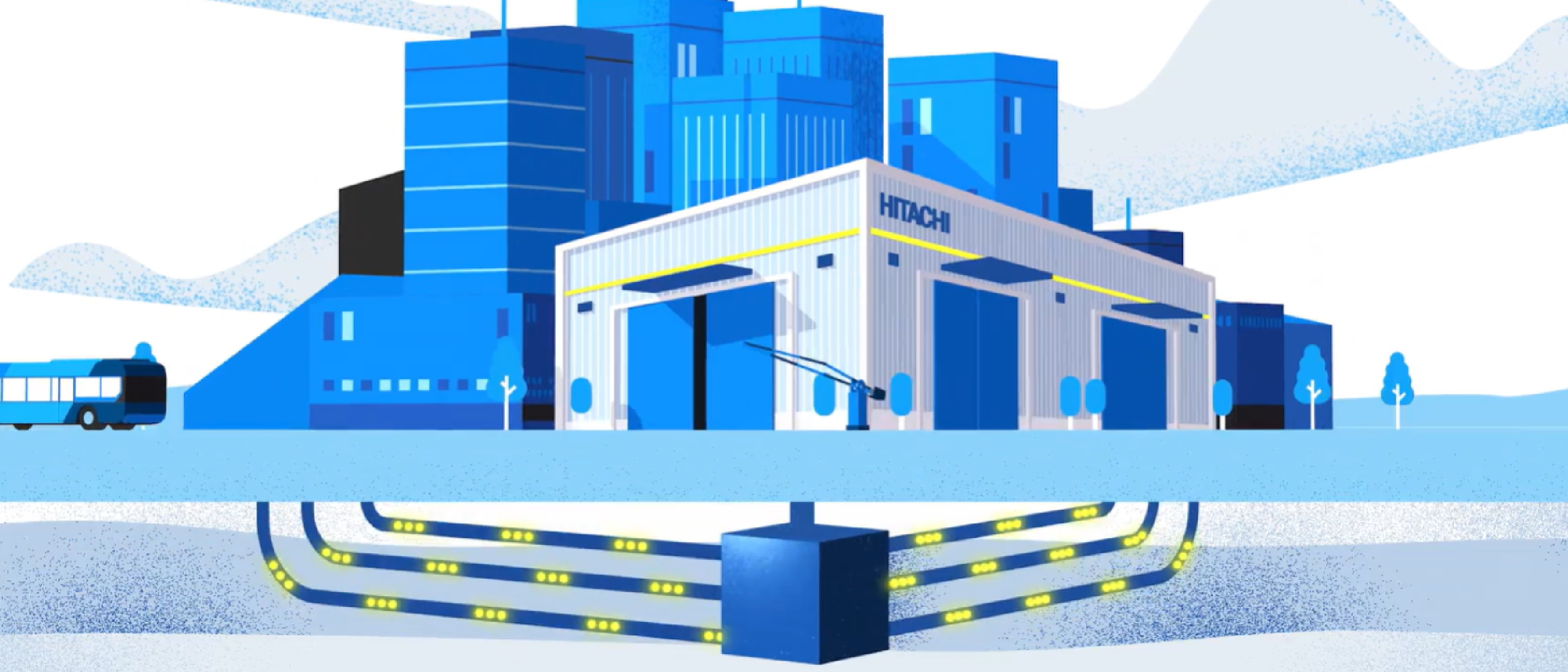
The session focused on how a whole systems-thinking approach can connect operations, signaling, and energy into a single “whole network” using digital technologies such as a digital twin to improve decision-making and performance. When networks are managed as one system, it enables transport leaders to make clearer investment decisions, recover from disruption faster, improve reliability, and lower whole-life cost to support stronger economic activity.
Hitachi’s ongoing partnership with Transport for Wales is looking to digitally connect public transport journeys across Wales through a single app, ultimately delivering a seamless passenger experience and more sustainable travel in Wales.
Session 2: Making it work: financing and collaboration for whole system outcomes
Transforming transport and energy requires more than technology. Governance and policy should evolve to support system-wide goals, aligning both private and public interests to deliver shared value and manage risk.
Mike Nugent, Chief Revenue Officer at Hitachi ZeroCarbon, highlighted how innovative financing and partnership models can unlock long-term value.
Session 3: Balancing the flow by integrating energy and transport systems
As electrification continues at scale, balancing the demand across both mobility and energy becomes essential. The session explored practical tools for balancing flow from smart charging and grid storage, to real-time coordination.
Dr Biljana Stojkovska, Senior Expert in Market Innovation at Hitachi Energy, provided insight into how closer cooperation between energy and transport is critical to achieving the sector’s decarbonization ambitions.
What’s next for the transport sector?
Interchange 2026 demonstrated the desire for a more integrated, whole network approach across governance, mobility, and energy. Collaboration is key in delivering coordinated, long-term improvements across the network.
Together with our partners we will continue to apply our expertise across mobility, energy, and digital to help shape a better-connected transport system.
Find out more:
Share this:
You may also like



European Headquarters
Hitachi Europe Limited
Ditton Park
Riding Court Road
Datchet
Slough, SL3 9LL, United Kingdom