



Why we need to start seeing sustainability
as an asset
Marco Mancuso, Data Center Segment Lead at Hitachi
The Problem
Increasingly, discussions of data center sustainability are oriented around the scale of their energy and resource consumption. Every week, we see new headlines about the pressures on local grids and water supplies. Communities voice their concerns about extensive construction work or noise and air pollution from ongoing operations.
There are also commercial factors at play too. ESG regulations and sustainability standards are already limiting expansion in key markets, delaying building, and even leading to stranded assets and limitations of grid connections. The infrastructure landscape is defined by these restrictions.
These are vital considerations that must be taken into account with any data center project. However, a focus on the demands of sustainability risks positioning it as a burden rather than an opportunity. Worse, it may lead some operators to simply bury their heads in the sand.
What needs to change?
Approaches to sustainability need to develop in line with this operational reality. Sustainability has a practical role to play as a core design principle, integrated into site selection, financing models, service design and delivery, and more.
Equally, we need to shift the perspective and see sustainability as part of a broader conversation that includes efficiency and affordability. Sustainability can be better viewed as a business value lever, which is good for bottom-line and top line. In other words, sustainability is an asset for data center operators.
As an asset, sustainability is valuable in four key ways:
1. Sustainability acts as a commercial driver
Improving ESG outcomes is good for business, enabling market access, forging partnerships, and driving investment. An Accenture report found that companies that take the lead on environmental, social and governance issues generate up to 2.6 times more value for shareholders than their peers.
In particular, best-in-class sustainability metrics help drive client acquisition. Robust ESG reporting up to and including Scope 3 emissions is required to even meet the shortlisting criteria for major listed firms’ RFPs. And once you’ve forged partnerships, you can deepen relationships with clients through co-financing projects.
2. Sustainability is a data asset
It can be used to drive a range of operational efficiencies and processes, from predictive energy modeling and carbon-aware workload orchestration to real-time customer reporting, pricing, and auditing. That saves time and money. Equally, sustainability data can itself be monetized as a revenue stream.
3. Sustainability is a source of stability
We’re living in a time of escalating geopolitical tensions, market volatility, and grid congestion. Sustainability measures help ensure stability, resilience, and even enable operators to hedge risk against global energy markets.
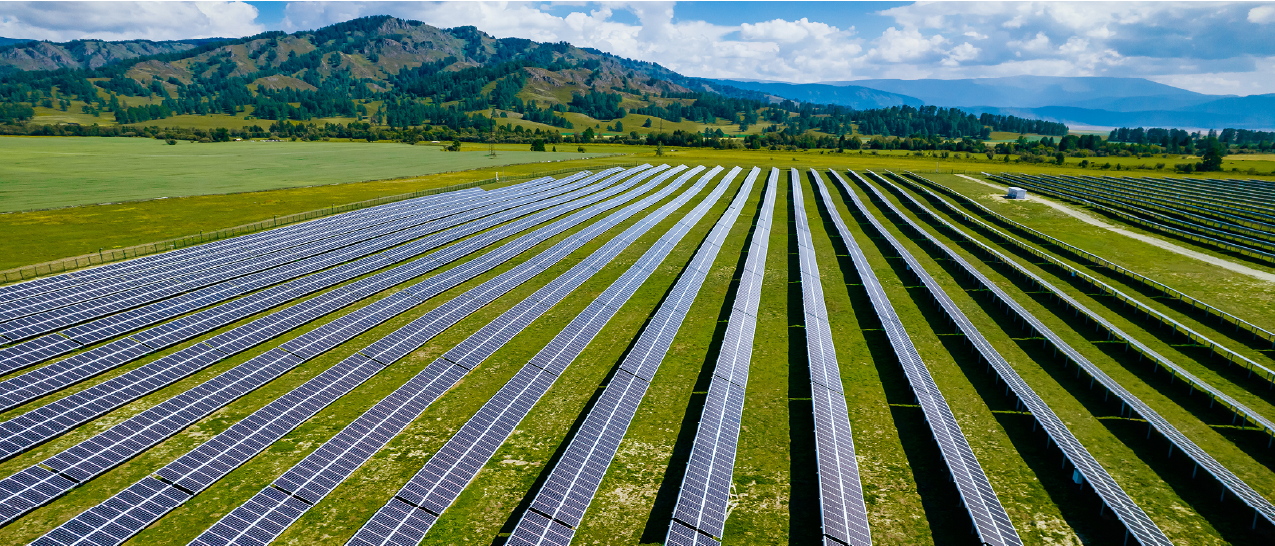
By integrating renewable energy sources and efficiency saving solutions into data center operations, it’s possible to keep the lights on and the power flowing in the face of global volatility.
4. Sustainability helps organizations attract and retain talent
In the face of a growing talent crisis, data center operators need sustainable campuses that can attract individuals with high-demand skills. Given the increased scrutiny of the climate implications of large-and-hyper-scale workloads, engineers and specialists want to work with sustainable data center operators. This is especially true of the next generation of environmentally-conscious talent.
How can sustainability initiatives benefit your organization?
Discover how think beyond the data center brings together Hitachi’s capabilities to support your data center ambitions.
Share this:
You may also like




European Headquarters
Hitachi Europe Limited
Ditton Park
Riding Court Road
Datchet
Slough, SL3 9LL, United Kingdom