Skip to Main Content

Hitachi Global

Technology Innovation Story

Technologies for the Electricity Era

As the severe impacts of climate change continue to unfold across the world, the demand for electricity, an essential foundation of modern society, continues to rise. To meet this growing demand while advancing toward a decarbonized society, what kinds of initiatives are required? From the perspectives of "generating," "distributing," and "using" electricity, this article introduces Hitachi's vision for the future energy system, along with a range of related technologies from power generation/transmission and distribution to construction and maintenance of infrastructure. 

Jul 30, 2026

 This concept video presents technologies and solutions that support rising power demand while advancing a decarbonized society.

Technology Talk

A Future of Smart Energy Supply and Use

Building Energy Systems that Combine Decarbonization with Security of Supply

As energy supply networks are being shaken by rising international tensions, demand growth fueled by electricity market liberalization, decarbonization, and the electrification and digitalization of industry is one of the drivers pushing energy systems toward a major turning point. In this edition, key figures from the energy sector meet to explore technologies and actions needed for the ongoing sustainability and development of the energy systems that underpin society.


Hiroshi Ohashi

Hiroshi Ohashi

Vice President, The University of Tokyo

His areas of expertise include industrial organization, energy policy, and competition policy. He serves on various committees, including the Advisory Committee on Natural Resources and Energy and the Electricity and Gas Transactions Monitoring Committee. He has received the Enjoji Prize, the Nikkei Book Culture Award (Japan Center for Economic Research), and the Ishikawa Prize (Japanese Economic Association), among others.

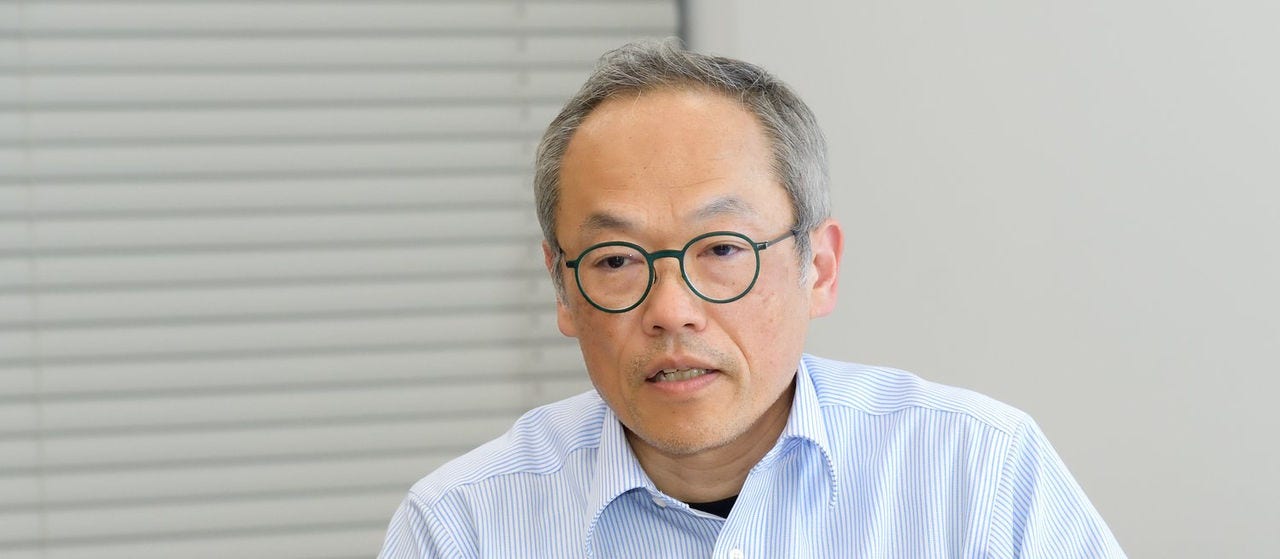
Gerhard Salge

Gerhard Salge

Hitachi Energy CTO

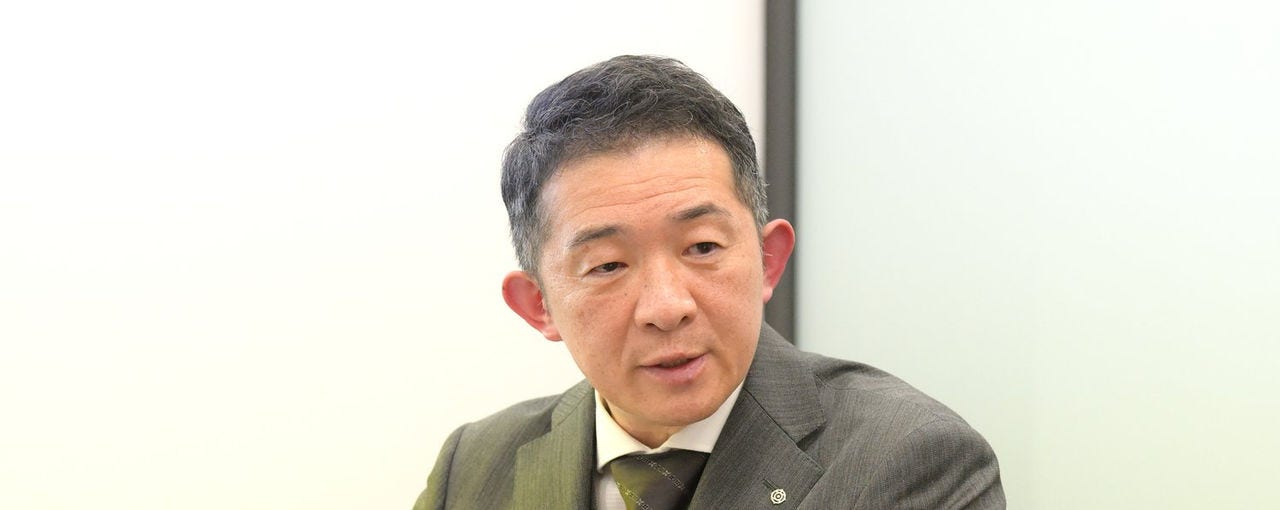
Atsushi Baba

Atsushi Baba

CTO

Nuclear Energy Business Unit
Hitachi, Ltd.

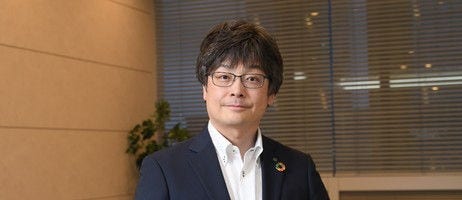
Shin Yamauchi

Shin Yamauchi

Senior Manager

Environment & Energy Nexus Innovation Center

Research & Development Group

Hitachi, Ltd.

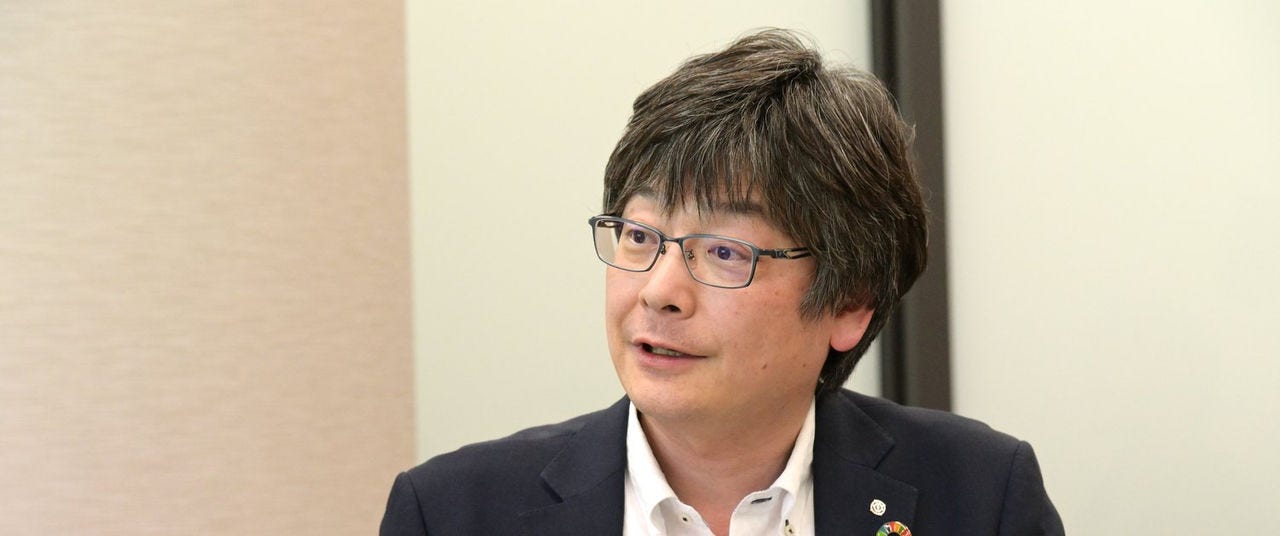
Tomomichi Ito

[Moderator]

Tomomichi Ito

Principal Researcher

Environment & Energy Nexus Innovation Center

Research & Development Group

Hitachi, Ltd.


Democratization of Energy Systems Brings New Challenges

Ito:
The energy systems that underpin corporate activity and our daily lives are facing a major transformation as they make the transition to carbon neutrality. Professor Ohashi, as an expert in energy policy and the study of industrial organization, what is your view of the situation facing energy today and of the institutional frameworks, policies, and market structures that are needed?

Ohashi:
Countries pursuing electricity reform face shared challenges stemming from the growth of renewable energy and the democratization of energy systems driven by electricity market liberalization.

Japan introduced a feed-in tariff (FIT) scheme in 2012 and partly due to the impact of the Great East Japan Earthquake, the share of renewable energy immediately increased. However, the high ratio of variable renewable energy has made balancing electricity supply and demand more difficult. Moreover, the completion of electricity market liberalization in 2020 featuring the legal separation of generation and retail has raised two further challenges.

The first challenge relates to investment in generation. Under the vertical integration of generation, transmission/distribution, retail in the past, it was possible to formulate investment plans that factored in a long-term view of demand requirements. However, electricity market liberalization has created a structure in which security of supply is ensured through institutional systems and regulation. If this does not function correctly, it can lead to underinvestment. Also, attention should be paid to investment restraints based on market power.

The second challenge is how to ensure harmony in an environment where a diverse range of stakeholders are involved.  To fully capitalize on liberalization and efficiently expand renewable energy while also encouraging private sector innovation, we need to design effective institutional and regulatory practices and apply them appropriately.

Ito:
Given that liberalization has introduced market mechanisms into the electricity sector, what will be needed to ensure robust competition?

Ohashi:
Efficiency, decarbonization, and security of supply are the three key issues when it comes to strengthening the electricity system. Although market competition improves efficiency, the promotion of investment for efficient resource allocation and security of supply does not occur autonomously. Therefore, designing institutional frameworks that augment the market is a challenge that all nations face. While many have introduced capacity mechanisms similar to Japan’s capacity market*1, in Japan, the procurement of kWh also requires careful planning. My sense is that getting the balance right between generation capacity (kW) and energy generation (kWh) will prove a very difficult challenge.

The electricity systems of the past achieved security of supply by investing large sums in transmission networks. For future electricity systems, in contrast, the integration of artificial intelligence (AI) and other digital technologies will likely be a key factor in maintaining the flexibility, resilience, and robustness that these networks will need.

  1. A system for trading electricity supply four years ahead based on a target for how much capacity will be needed at that time. By having retailers pay a price for securing generation capacity from generation companies in advance, the goal is to provide greater certainty over the supply of electricity and the business operations of both electricity generators and retailers.
Hiroshi Ohashi

Power Electronics and Digital Control Techniques that Underpin an Increasingly Complex Grid

Salge:
The electricity systems of the past benefitted from dispatchable generation output and easy demand prediction, featuring a one-way flow of electric power across transmission and distribution, nearly exclusively in alternating current (AC). In contrast, the new electricity system is evolving toward a complex mix of both alternating and direct current (DC) operation, with an increasing number of large and small generation assets with highly variable output, and a bi-directional flow of electric energy as consumers have turned into “prosumers” (both producers and users of electric power).

Power electronics and digital control technologies will be crucial to addressing the key issues highlighted by Professor Ohashi. When used together, these technologies can control power flow within the grid across an AC system with embedded high-voltage direct current (HVDC). Furthermore, a high level of power quality through use of energy storage devices such as batteries and supercapacitors can be achieved.

Next-generation digital control techniques such as those used in grid-forming (GFM)*2 inverters can help maintain grid stability, not only during normal operation, but also when faults occur. Likewise, the latest supervisory control and data acquisition (SCADA) systems used for the monitoring and control of electricity grids utilize optimization algorithms and automation to maintain a high-quality supply of electric power. By allowing for greater scale and complexity in electricity grids, these technologies have the potential to underpin the reliability of our energy system.

Ito:
HVDC is an important technology for the transmission of large amounts of electric power over long distances with low losses. What other roles can it fulfill as renewable energy becomes an increasingly significant form of electricity generation?

Salge:
In addition to the ability of HVDC to provide accurate and rapid control of active power, it can supply reactive power, it can also improve grid stability at each point of connection in much the same way as a static synchronous compensator (STATCOM). Meanwhile, HVDC systems are getting smaller in size as advances are made in the underlying technologies, including semiconductor switching elements, equipment design, and system configurations. We can expect to see the deployment of ultra-compact HVDC transmission systems at data centers or other new industrial sites and in large cities that have limited space available for such equipment.

Ito:
In addition to working in partnership with the grid operators, what other requirements will arise as these new technologies are integrated into the grid?

Salge:
As is the case with market mechanisms, investment incentives and the policy and institutional framework will be important. As we make the shift from power generation based on rotating machines (such as thermal power generation) to one that is inverter-based and includes battery storage, this grid storage is seen as an element of increasing importance for maintaining grid stability.

In some countries, however, grid operators are limited within their degree of freedom to build their own storage capacity, they are not allowed to become energy traders. If we are to maintain a reliable electricity system into the future, we will need to develop business models, incentives, and regulatory frameworks that combine market mechanisms appropriately with the technical and physical features of the grid, such as giving due recognition to the need to maintain standby capacity in case of emergencies.

  1.  Inverters equipped with control software that can form the grid voltage synthetically like rotating generators.
Gerhard Salge

How Demand-side Flexibility Can Enhance Electricity System Resilience

Ito:
The three elements that make up electric power are its generation, distribution, and use. Out of these, what is needed when putting electricity to use?

Yamauchi:
Along with the use of digital control technologies for more sophisticated distribution, smarter practices on the demand side that coordinate the use of electricity with the grid will also play an important part in the increasingly complex electricity systems of the future. In other words, it will be important to provide mechanisms whereby electricity users can provide services that offer the flexibility the grid needs to address the challenges of grid capacity constraints (overloads on power lines), mismatched supply and demand, frequency stabilization, and voltage stabilization.

One option for addressing grid capacity constraints would be to utilize the time-shifting of electricity demand to reduce power flows through the most heavily loaded parts of the grid. This could be done using battery storage, data center demand shifting, control of electric vehicle (EV) charging, and the scheduling of factory operations and home appliance use.

In response to mismatched supply and demand, the total cost of grid operation could be reduced by the creation of variable demand that can respond to renewable energy availability, utilizing resources such as heat pumps, thermal storage, electrolyzers, and industrial steam and pneumatics to increase consumption when renewable energy is abundant and minimize it when generation is unavailable.

Likewise, frequency stabilization can be augmented by leveraging the synthetic inertia capabilities of inverters or demand response mechanisms based on the operation of equipment like batteries or electrolyzers.

Finally, there is scope for using grid-forming inverters operating autonomously in demand-side systems to deliver reactive power as a means of stabilizing voltage.

As grid augmentation and the installation of new equipment take time and require large financial investments, the incorporation of demand-side flexibility into grid operation will likely play a key role both in maintaining stability without expensive investment and in minimizing generation curtailment, thereby reducing the overall cost to society.

Digital control technologies and grid operating practices are two of Hitachi Energy’s strengths. If these can be integrated into the same operational layer as demand-side flexibility and supply-side systems for grid stability such as HVDC and STATCOMs, it should provide a step up in overall grid resilience and investment efficiency. I would like to see the wider adoption of a world-view that places smarter demand practices alongside smarter supply.

Shin Yamauchi

Ito:
To what extent do you think consumers can become active participants in this process?

Yamauchi:
We cannot leave grid stability entirely up to electricity users. Given that consumption is what sustains people in their daily lives, consumers ultimately act on the basis of economic rationality without compromising on convenience. Therefore, when it comes to critical applications, this means we need to rely on physical processes, such as equipment performance, etc., rather than on consumer response. Maintaining grid stability calls for the combined consideration of physical processes, economic rationality, and regulatory and system perspectives.

Ohashi:
Measurement is one issue that arises when seeking to encourage electricity user participation in maintaining grid stability. While generators can be reimbursed based on how much electricity they generate, the extent of an electricity user’s consumption reduction differs depending on the baseline used. Choosing the right baseline is important.

Moreover, the difficulties of having electricity users participate in grid operation mean that aggregators will play a major part in regulating supply and demand. The aggregation business is expanding in Japan and elsewhere, and I believe that financial incentives are not the only reason why companies and other electricity users choose to participate in demand response. Their awareness that they are contributing to the stability of Japan’s balance of supply and demand is also an important factor. I expect that spreading this sense of contributing to the public good will help us grow the number of electricity users who take part in balancing supply and demand.

When it comes to balancing supply and demand, techniques for storing heat and compressed air are also playing a part alongside batteries. Because compressed-air storage is a technological strength of Japanese companies, I believe its broader spin-off benefits to industry should be considered as another factor in its adoption.

Tomomichi Ito

Key Roles for Nuclear Energy and Skills Development in Achieving Energy Sustainability

Ito:
The impression I have gained from the discussion so far is that many of the technologies needed to overcome obstacles already exist. Baba-san, what is your view on the technical challenges we face in the medium term?

Baba:
The energy that underpins people’s lives and societal progress needs to be reliable and low cost. H-UTokyo Lab works on resolving societal challenges through the development and dissemination of a vision for realizing the Super Smart Society. In our study of transition scenarios for achieving carbon neutrality by 2050, it is the scenario of nuclear energy utilization more than anything else that holds the balance when it comes to fulfilling the “Safety + Energy Security, Economic Efficiency, Environment” (S+3E) concept at the heart of Japan’s energy policy. Accordingly, I believe we should utilize nuclear energy, with safety as the top priority.

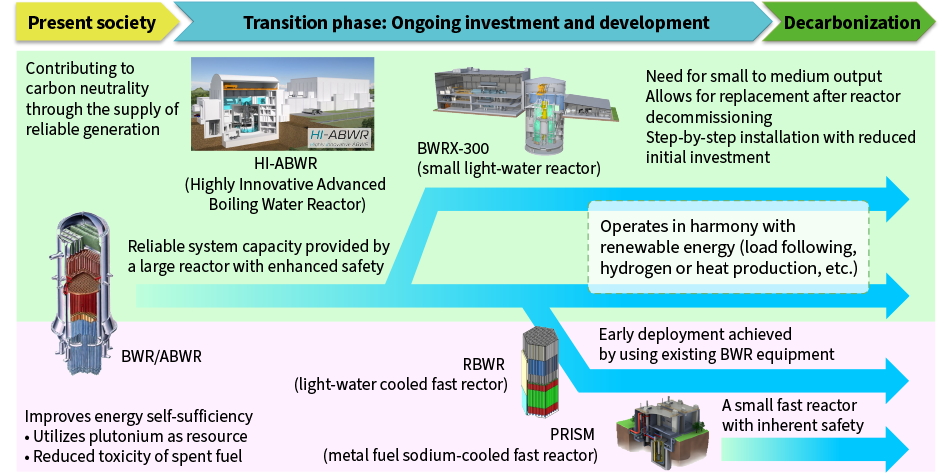
Nuclear power generation is the subject of rising expectations internationally. In Japan, we are initially proceeding with the restarting of existing nuclear power plants based on forecasted electricity demand, although there will likely be a need to build new plants or upgrade existing ones in the medium- to long-term future.

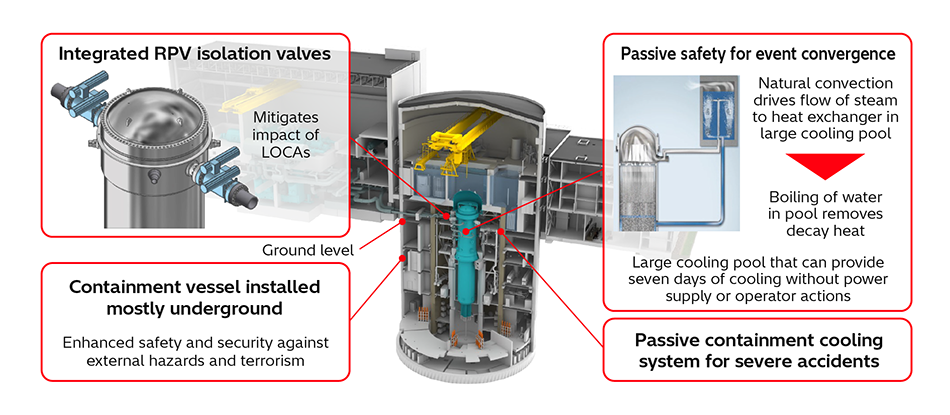
In partnership with GE Vernova Hitachi Nuclear Energy, Hitachi is involved in a small modular reactor (SMR) construction project, the first such project in Canada. Meanwhile, ongoing work on the development of the next round of innovations is also needed, including the Resource-renewable Boiling Water Reactor (RBWR) being studied as a means of establishing a nuclear fuel cycle and the Power Reactor Innovative Small Module (PRISM) reactor. Hitachi also recognizes the potential for nuclear fusion as a new form of energy generation and is helping to bring it about through technical collaborations both with startup companies and international projects, including the construction of the International Thermonuclear Experimental Reactor (ITER).

However, the human resources shortage in the global energy industry is becoming an issue. In Japan, the educational base is tending to shrink, especially in the field of nuclear power, and maintaining and strengthening the level of technology is an important theme going forward.

Ohashi:
Workforce shortages are a major challenge shared by many industries. While individual companies will need to pursue recruitment and retention measures like improving employment conditions and making themselves a more attractive place to work, this area also needs to be addressed by industry as a whole, academia, and the government.

One measure would be to improve labor mobility within industries through the adoption of uniform standards and specifications. Another would be to communicate the long-term outlook for procurement and demand as a means of facilitating corporate investment in human capital.

Salge:
More than ever before, we need workers with new skills who are able to deal with the changes taking place in the energy sector. In addition to the technical skills required for equipment installation, we also need people who understand the electricity system and how it works; are familiar with things like AI, digital technologies, and power electronics; and who have the ability to design and implement new business models to suit the markets in their respective countries. Given the rise in cross-border electricity networks, we also need people with the expertise in regulations and systems to draft sound international contracts based on an understanding of the different regulatory frameworks that apply in different countries. The fostering of such competences needs to be a society-wide effort, especially in education where it will likely involve the revision of curricula.

Yamauchi:
The perspectives of grid operators, electricity users, and regulation all play an important role in the electricity system. While grid operators are private companies with a public service role, electricity users seek to maximize the benefits to themselves. Regulators design the overall system to ensure that the relationship between these two functions as it should. I see a need for people who understand the interdependencies and can translate solutions into workable actions.

 

Atsushi Baba

Technologies, Institutions, and People to Underpin the Energy Systems of the Future

Ito:
It is anticipated that future energy systems where decarbonized electricity makes up an even higher share of generation will be coordinated by the use of digital technologies for the real-time interconnection of generation, transmission and distribution, and users on the basis of an appropriate market and set of rules. What will be needed to bring this about, I believe, is a holistic approach that encompasses supply, demand, technology, institutional frameworks, and workforce development. Looking back at today’s discussion, what are your thoughts on this?

Ohashi:
The democratization of energy systems has both positives and negatives. This means we need to build a better electricity system that effectively ties technologies together with the regulatory and institutional frameworks in which they operate. I am certain that we can do so.

Salge:
I believe that our discussion today has conveyed a shared recognition that building the sustainable, affordable, and secure energy systems of the future in which electricity plays a central role will be a challenge for society as a whole. In addition to expanding and strengthening infrastructure by making use of existing technologies and developing new ones where needed, our goal at Hitachi Energy is to build energy systems for the future based not only on the technology itself, but also on consideration of new business models and advanced services.

Yamauchi:
I have been strongly reminded of the importance of digital and AI technologies and of combining the different domains of electricity, heat, and data. I intend to keep these factors in mind when charting the course of future research and development.

Baba:
Building a sustainable society clearly demands a holistic approach that encompasses energy frameworks, policies, and human resource development. Today’s talk has reinforced my sense that we need to work as One Hitachi on realizing the best energy systems we can through the development of future-focused technologies and their real-world deployment across all aspects of energy, encompassing its generation, transmission & distribution, and consumption.

Ito:
Building the energy systems of the future needs to be done in consultation with the relevant stakeholders based on medium-term considerations. As a company that works with a wide range of customers, my hope has been that Hitachi will be in a position to provide forums for this debate. Thank you for your time today.

Share this: