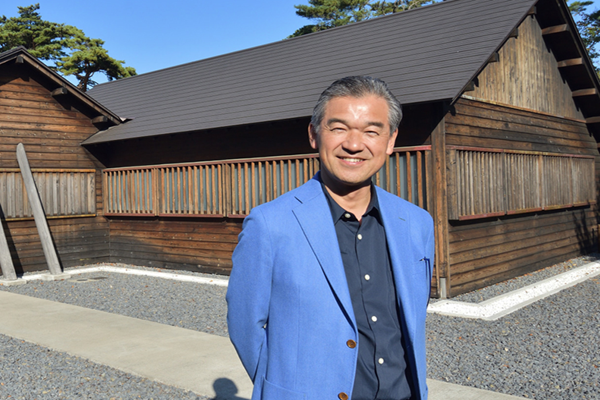
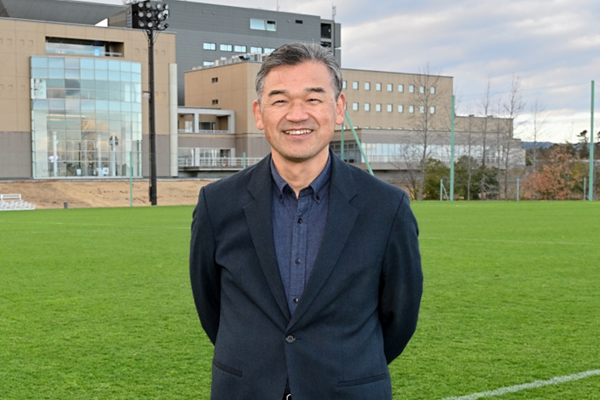
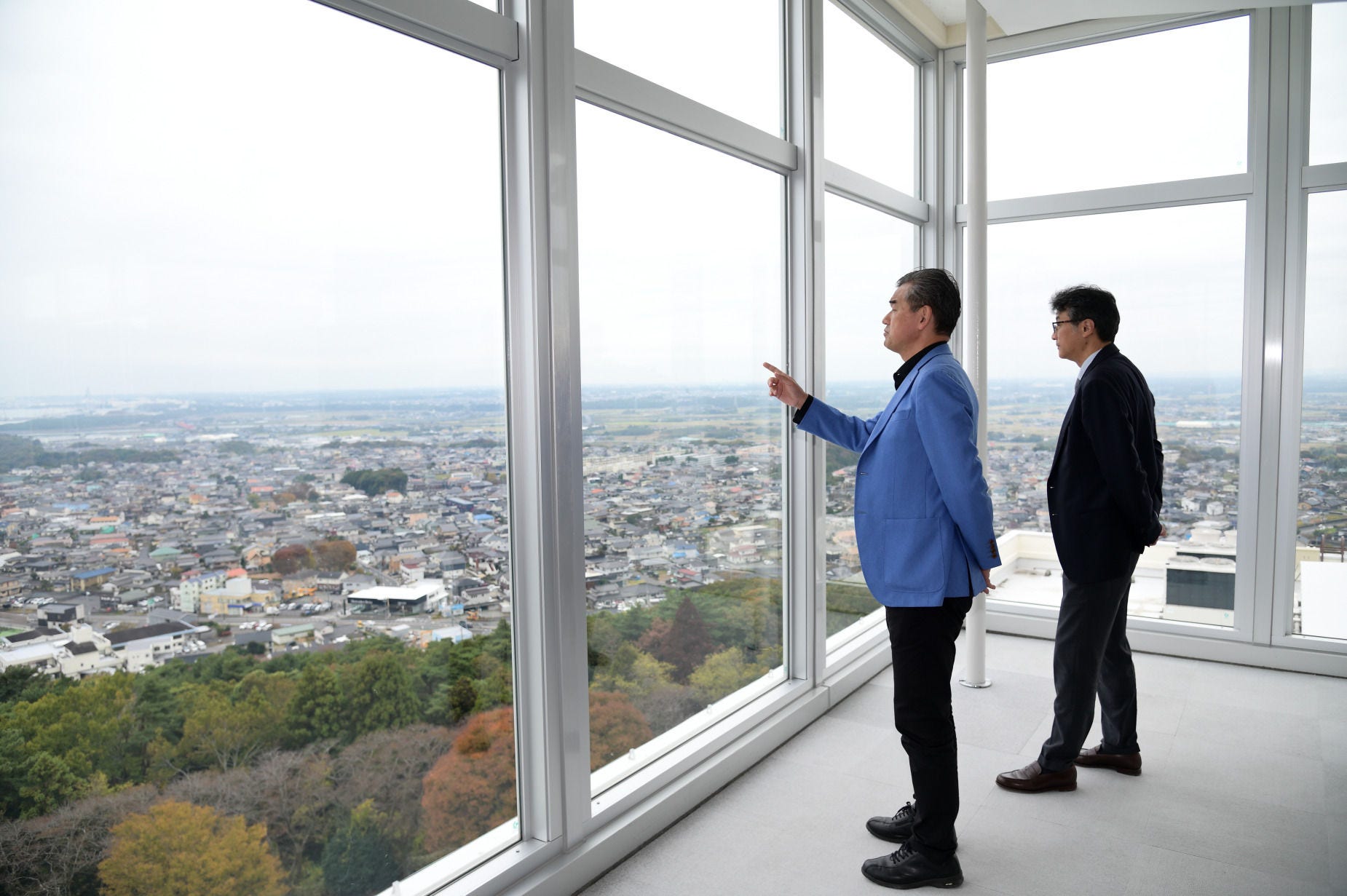
Matsui headed to the Research and Development Group's Ibaraki Site, which is located on a small, green hill near the Rinkai Factory and Hitachi Origin Park. The site enjoys a scenic location, with views of the Pacific Ocean and the Kanto Plain from its observation floor.
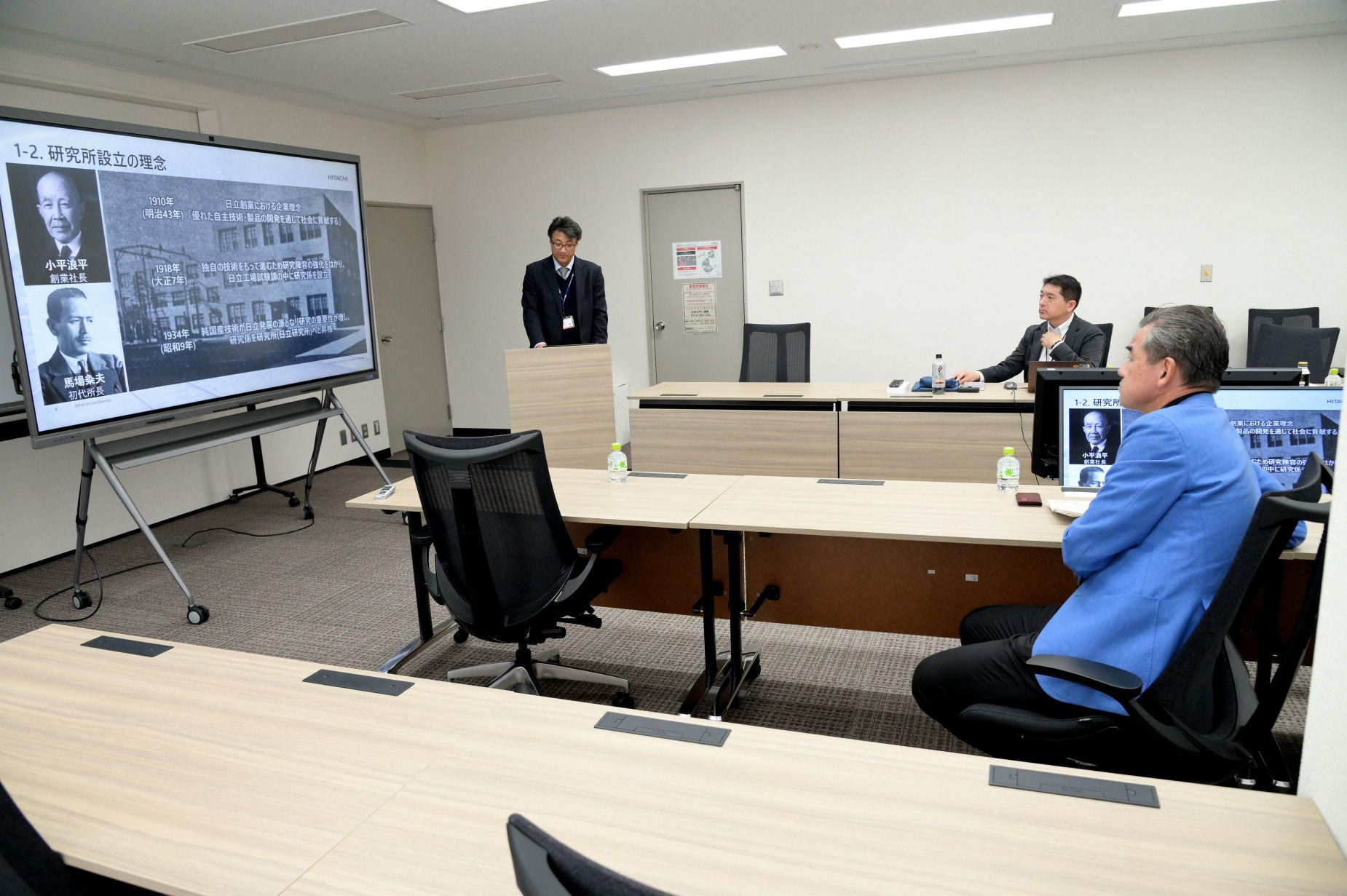
The origins of the Ibaraki Site date to 1918, eight years after Hitachi's founding, when Hitachi's founder, Namihei Odaira, established the “Research Group” within the then-Hitachi Factory. At that time, sensing the need to improve product quality and enhance Hitachi's technological capabilities amid its rapidly expanding business operations, Odaira elevated the existing Testing Group to the Testing Section. Within this section, he established a new Research Group. Serving as both head of the Testing Section and head of the Research Group, Odaira personally directed efforts to strengthen Hitachi's technological foundation and develop new products.
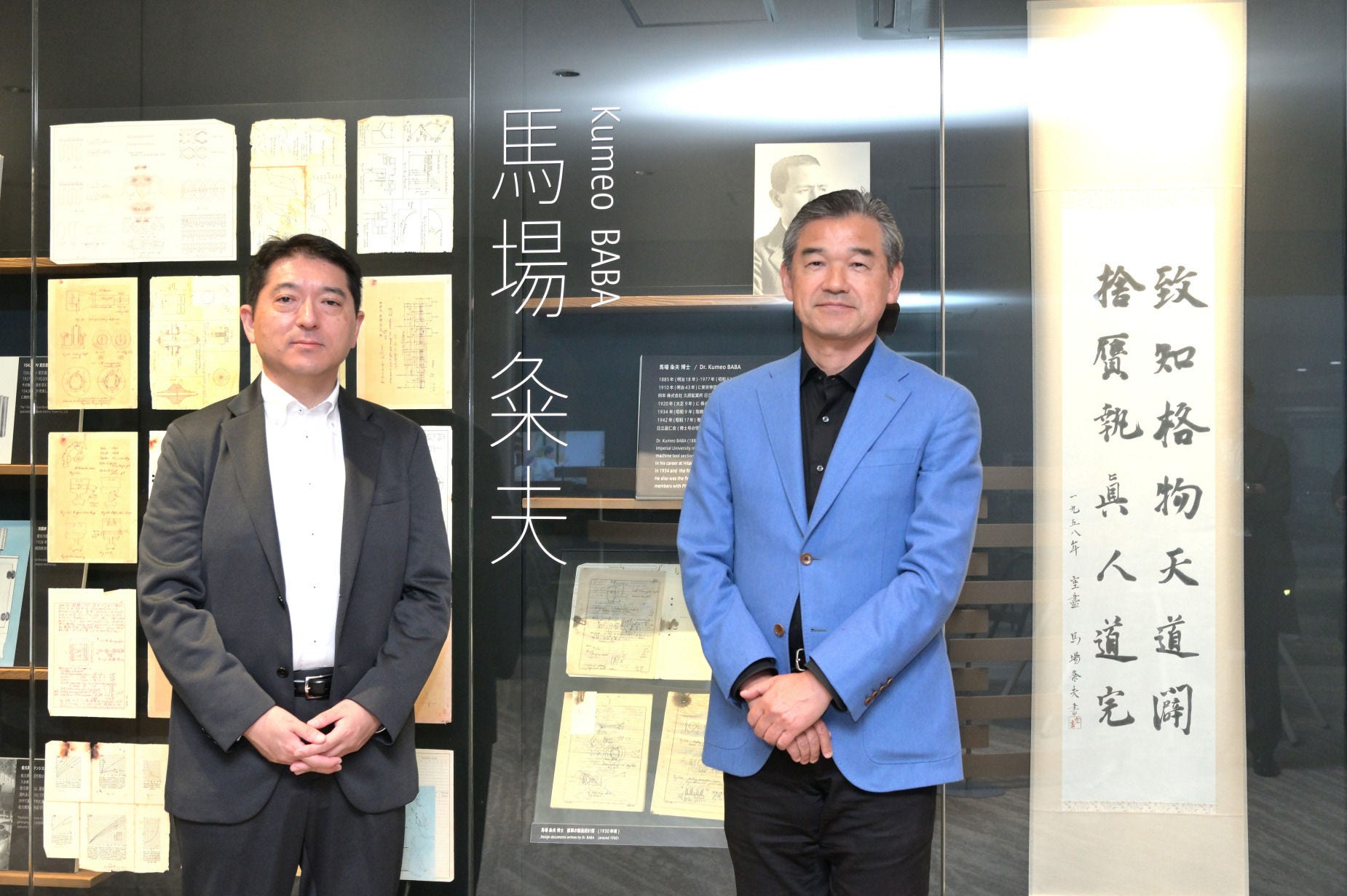
In 1934, the Research Group became the Hitachi Research Laboratory, with Kumeo Baba, who had supported Odaira as the central figure in technological development, as its first director. It relocated to its current site in 1962. Later, as part of a reorganization of the Research and Development Group, it was renamed the Ibaraki Site. It primarily conducts research contributing to solving societal challenges relating to sustainability, such as climate change and resource issues.
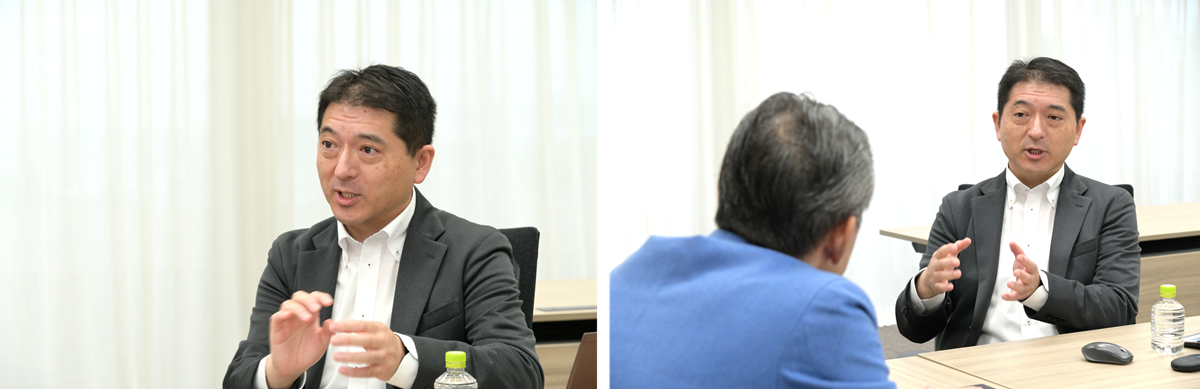
Upon his arrival at the Ibaraki Site, Matsui first received a brief introduction to Hitachi's R&D history and current structure from Atsushi Baba, Director of the Environment & Energy Innovation Center.
Following the establishment of the Hitachi Research Laboratory in 1934, Hitachi established the Central Research Laboratory in Kokubunji City, Tokyo, in 1942. It subsequently established research institutes by field, covering mechanical engineering, production technology, system development, design, and fundamental research, while also establishing overseas research facilities. Today, these have been reorganized into three major areas: Digital Innovation R&D, Sustainability Innovation R&D, and Next Research. While operating four domestic sites (Kokubunji Site, Ibaraki Site, Yokohama Site, and Hatoyama Site) as primary bases, Hitachi also operates joint research and development bases with universities and other institutions. Overseas, Hitachi has established R&D divisions across five regions, including the Americas and Europe. Approximately 2,000 researchers in Japan and 200 overseas are engaged in a broad spectrum of research, from fundamental to applied studies, supporting our future society.
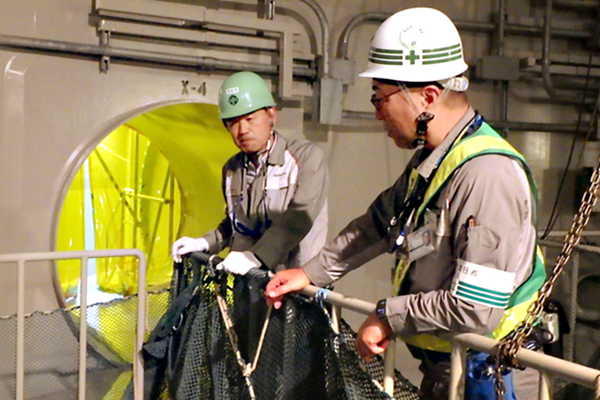
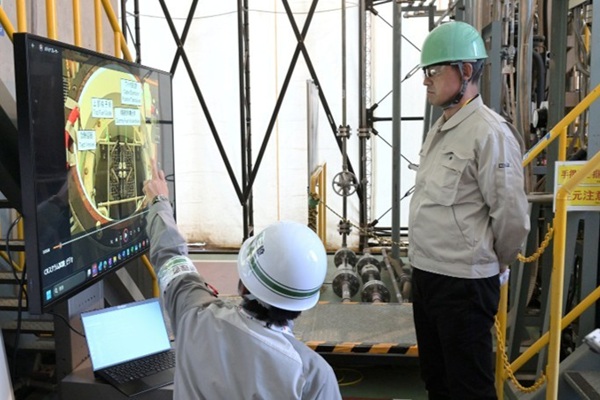
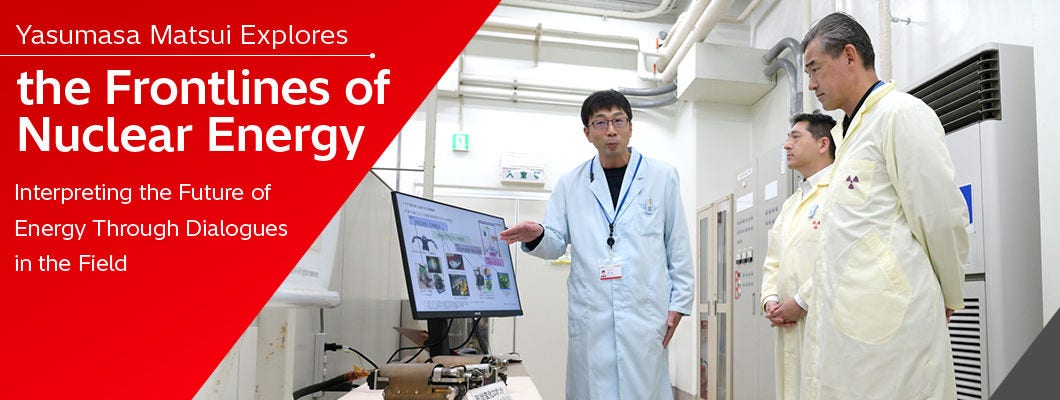
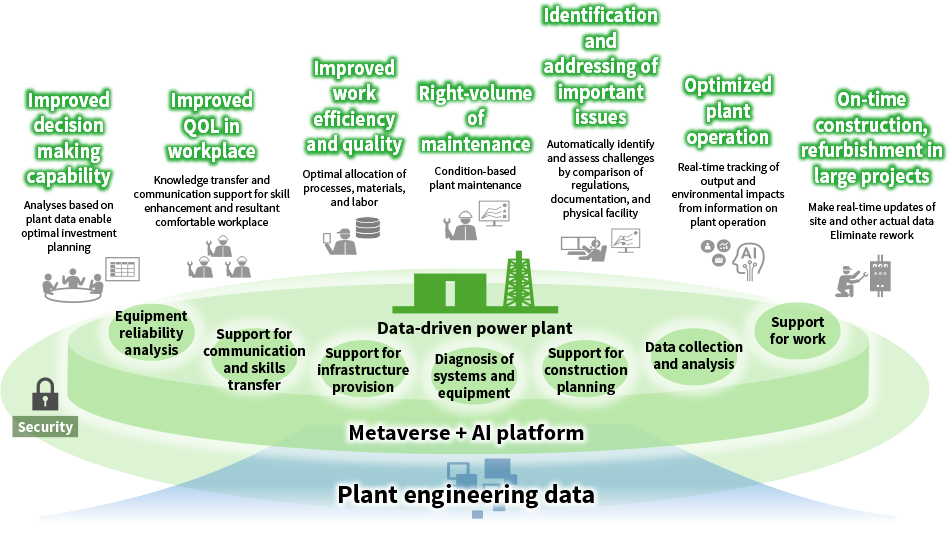
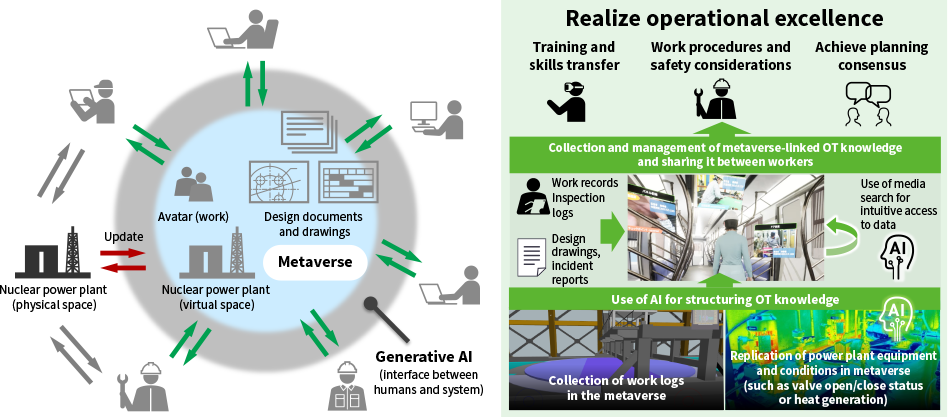
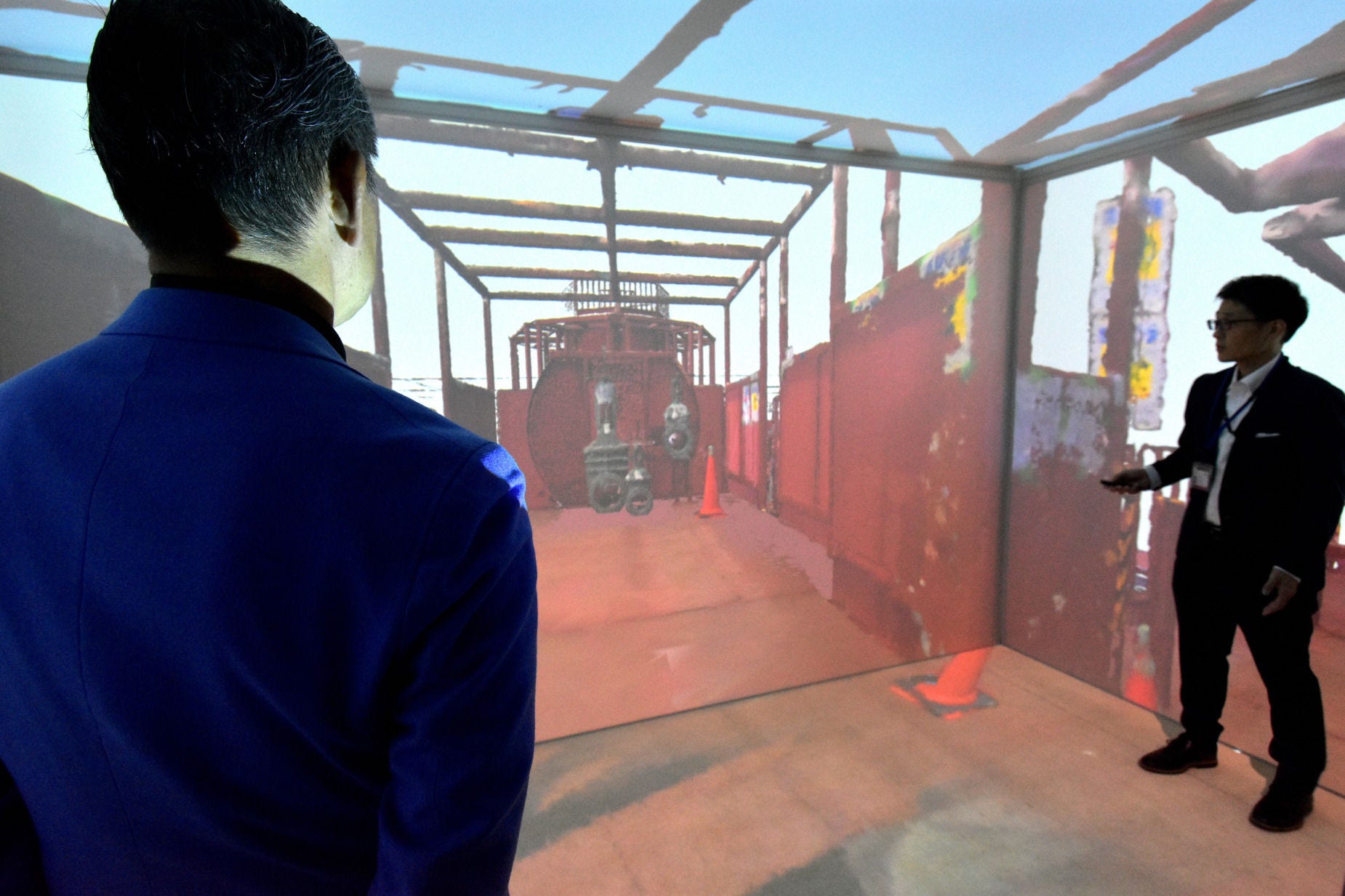
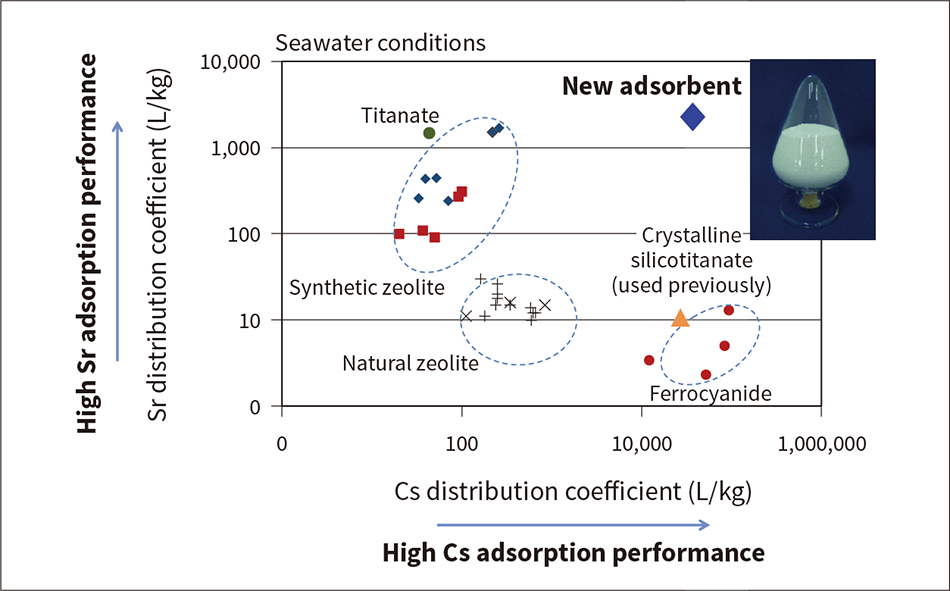
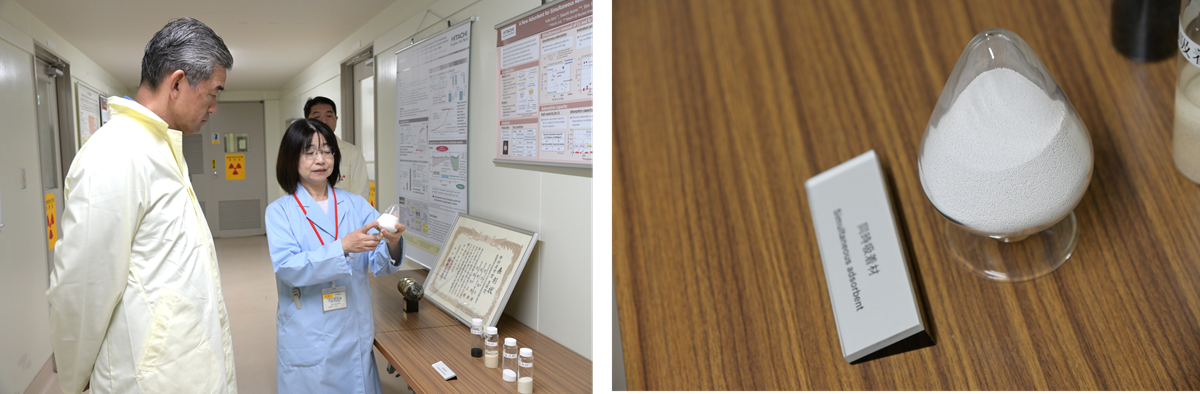
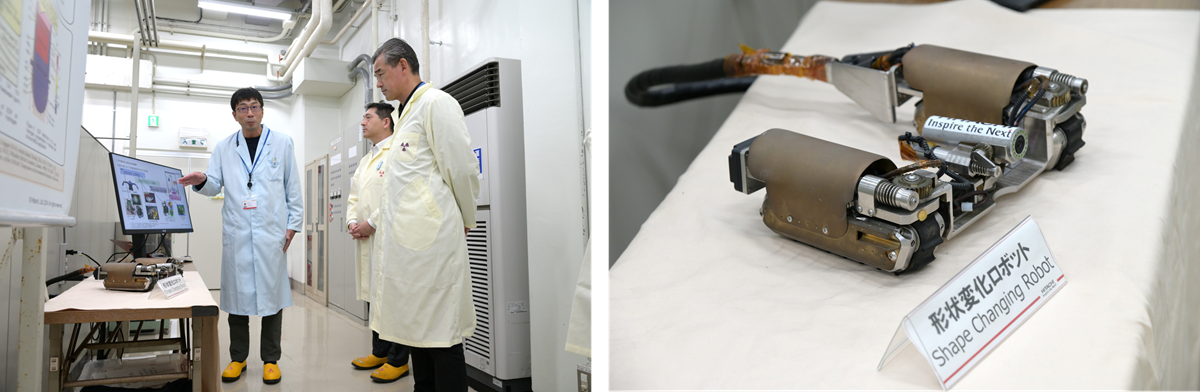
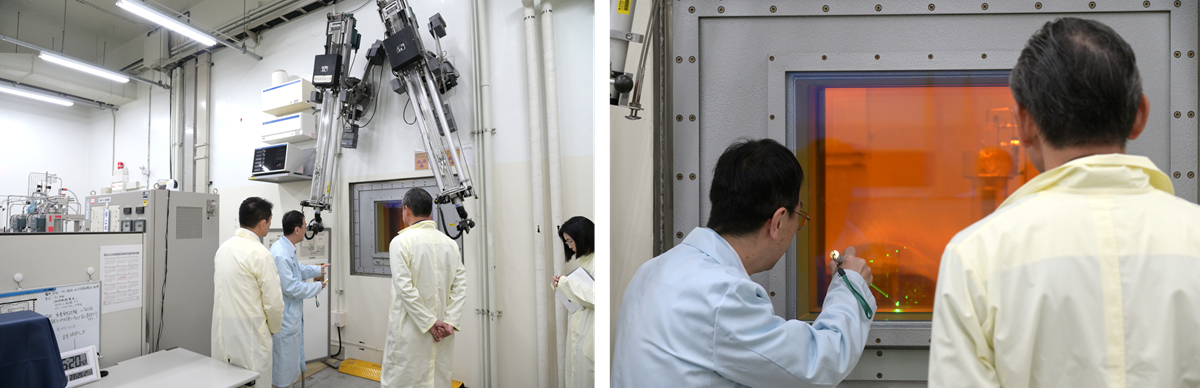
The Ibaraki Site focuses on Sustainability Innovation R&D. For example, it develops technologies for power system stabilization, hydrogen production and supply, and marine carbon dioxide absorption (known as blue carbon), as well as nuclear energy technologies including decommissioning for the Fukushima Daiichi Nuclear Power Station, power plant restart support, new reactor development (including the BWRX-300 small light-water reactor), and digital transformation (DX) for nuclear power plants.
In the Digital and AI field, it collaborates with the University of Tokyo on digital observatory technology to observe and analyze diverse global social and economic activity data, identify risks to society, and detect early warning signs. Other research includes robotics technologies to perform frontline worker tasks, the digitalization and utilization of skilled engineers' expertise, and energy management for data centers in the era of generative AI.
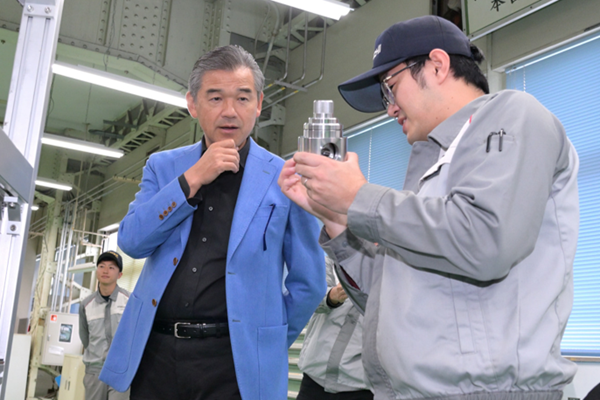
In the Energy Applications field, which looks to the near future and aims to deliver the next innovation, research is progressing on next-generation cancer radiation therapy equipment that reduces the burden placed on patients, the development of motors with the world's highest power density for aircraft electrification, and silicon-based quantum computers.






_thumb.jpg)
_thumb.jpg)