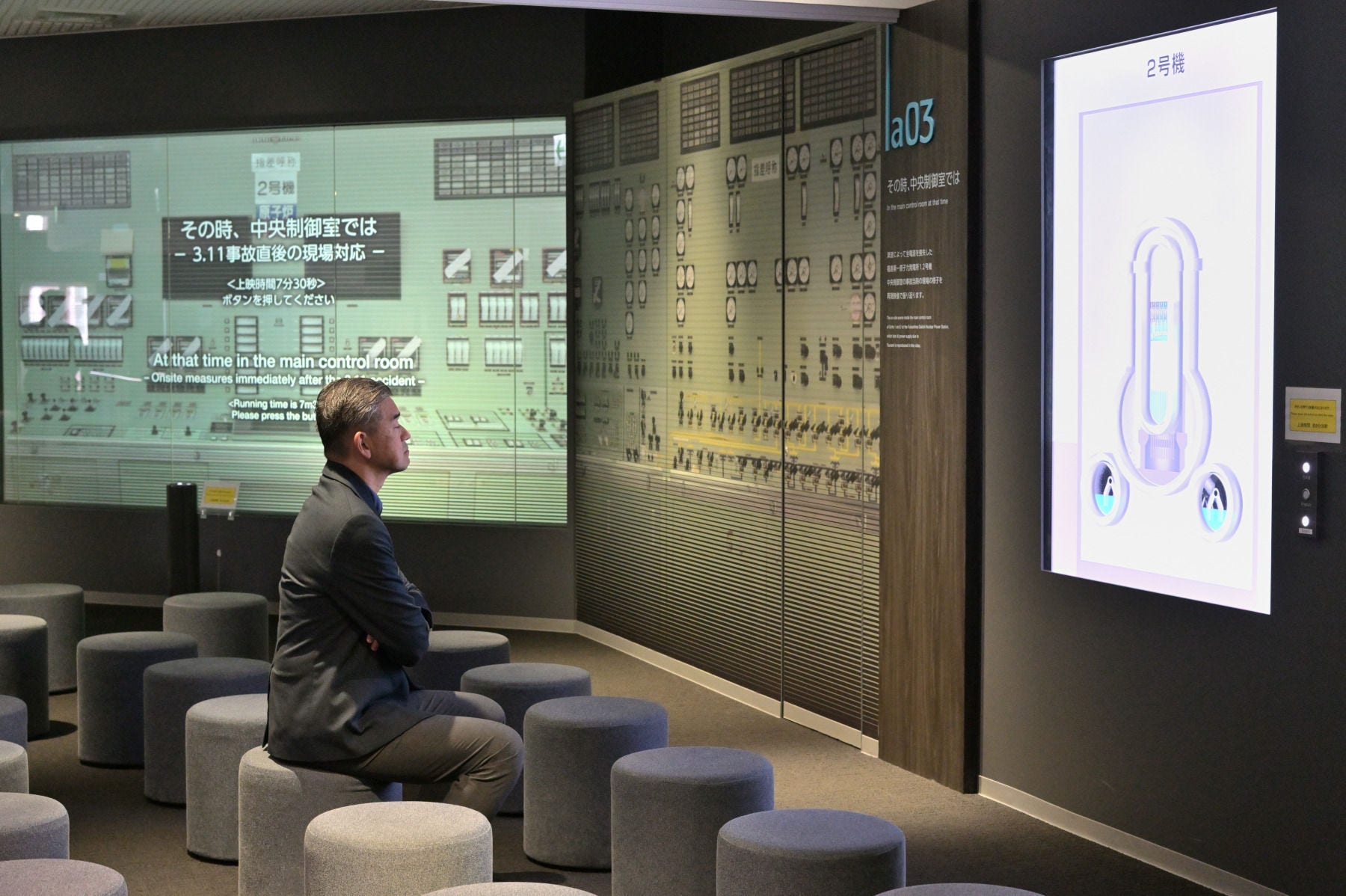
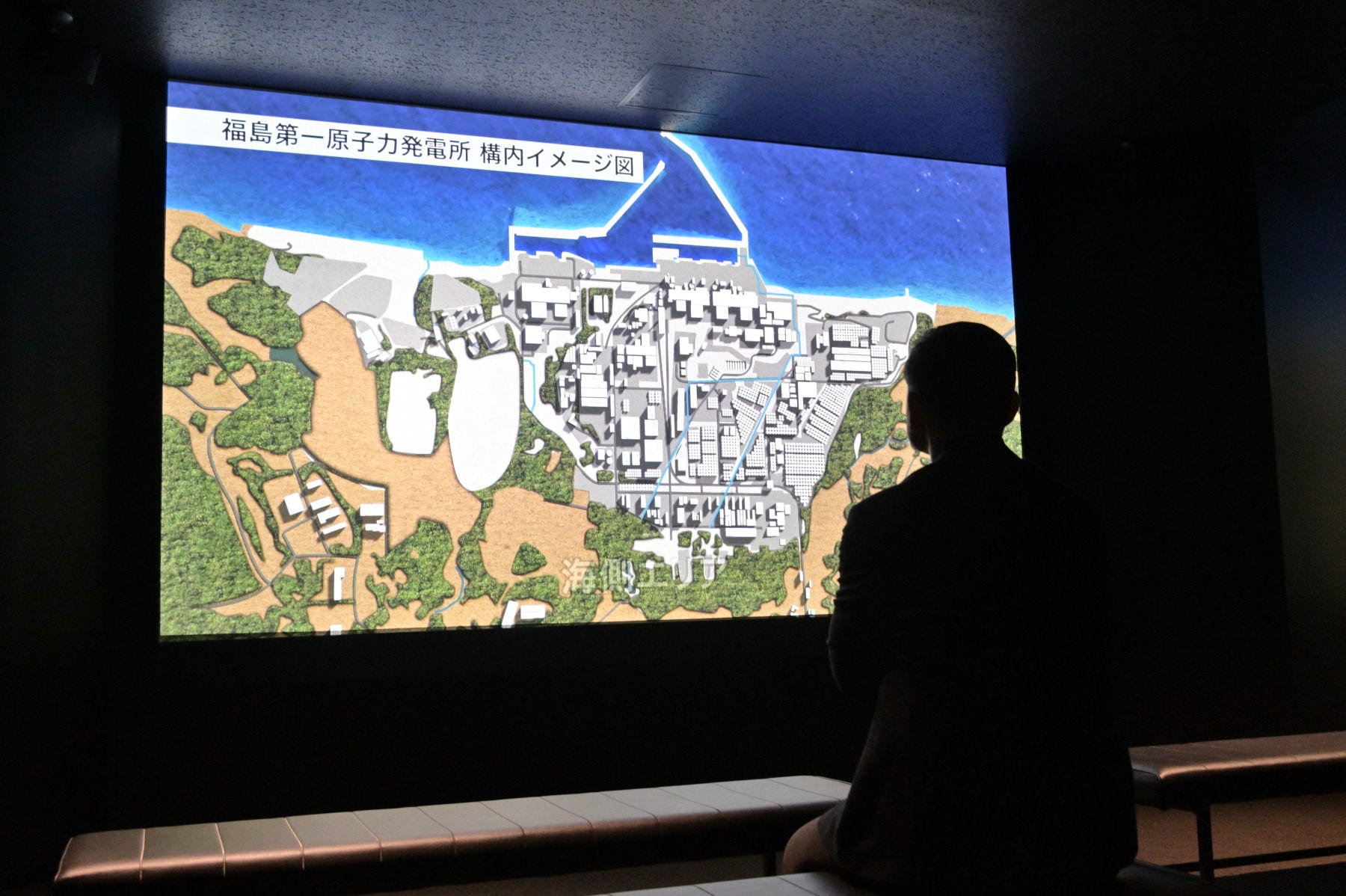
At 2:46 p.m. on March 11, 2011, a massive 9.0-magnitude earthquake with an epicenter off the Sanriku coast struck, subjecting a wide swath of eastern Japan to intense shaking. Many facilities operated by Tokyo Electric Power Company Holdings, Inc. (TEPCO) suffered damage due to the earthquake and ensuing tsunami, and at TEPCO's Fukushima Daiichi Nuclear Power Station, which was located close to the epicenter, the earthquake caused a loss of external power. Although the reactors operating at the time went into emergency shutdown as designed, the site was flooded by a 15m tsunami that arrived approximately 50 minutes after the earthquake struck, and almost all power needed to cool, monitor and control the reactors was lost.
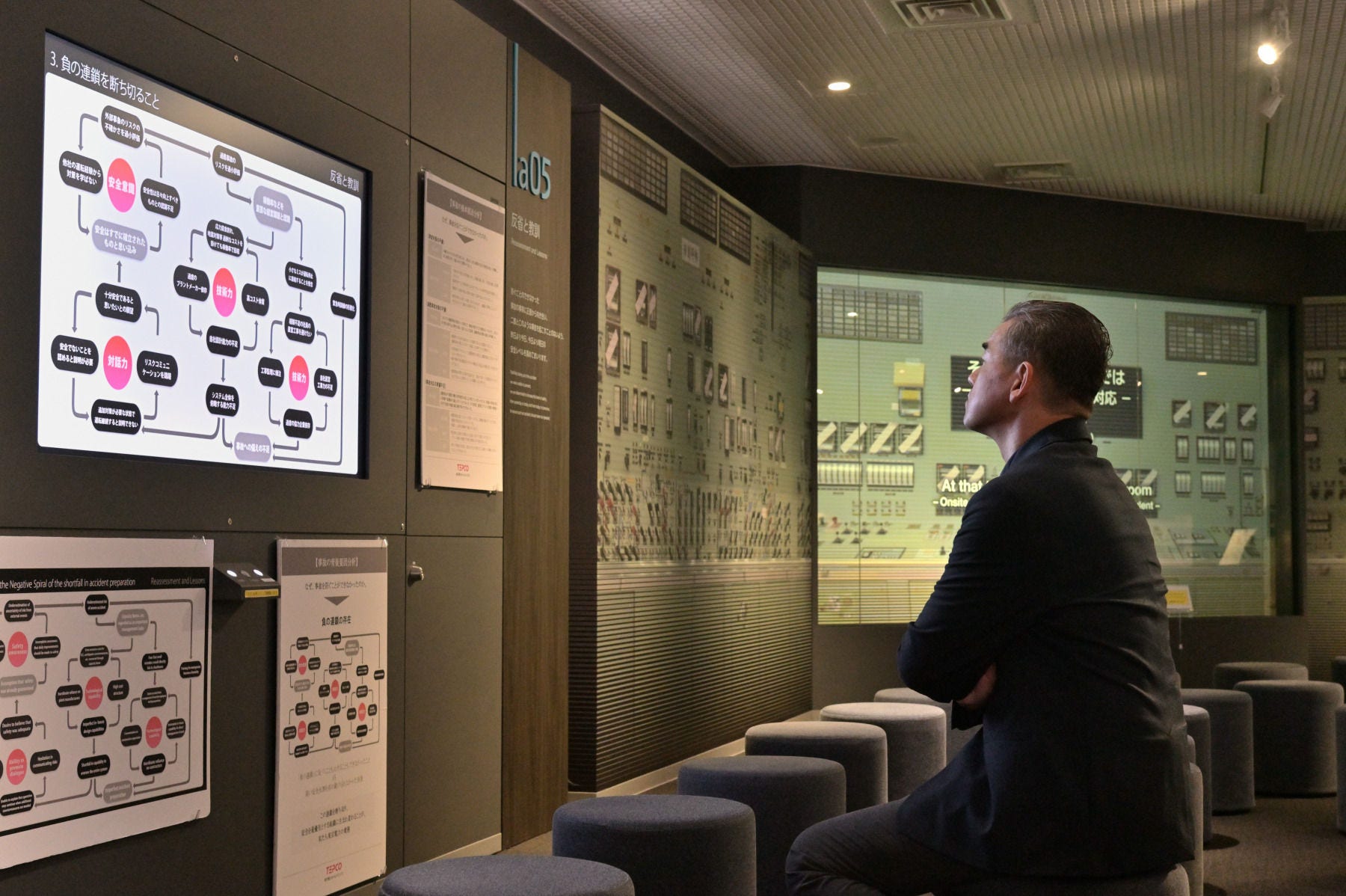
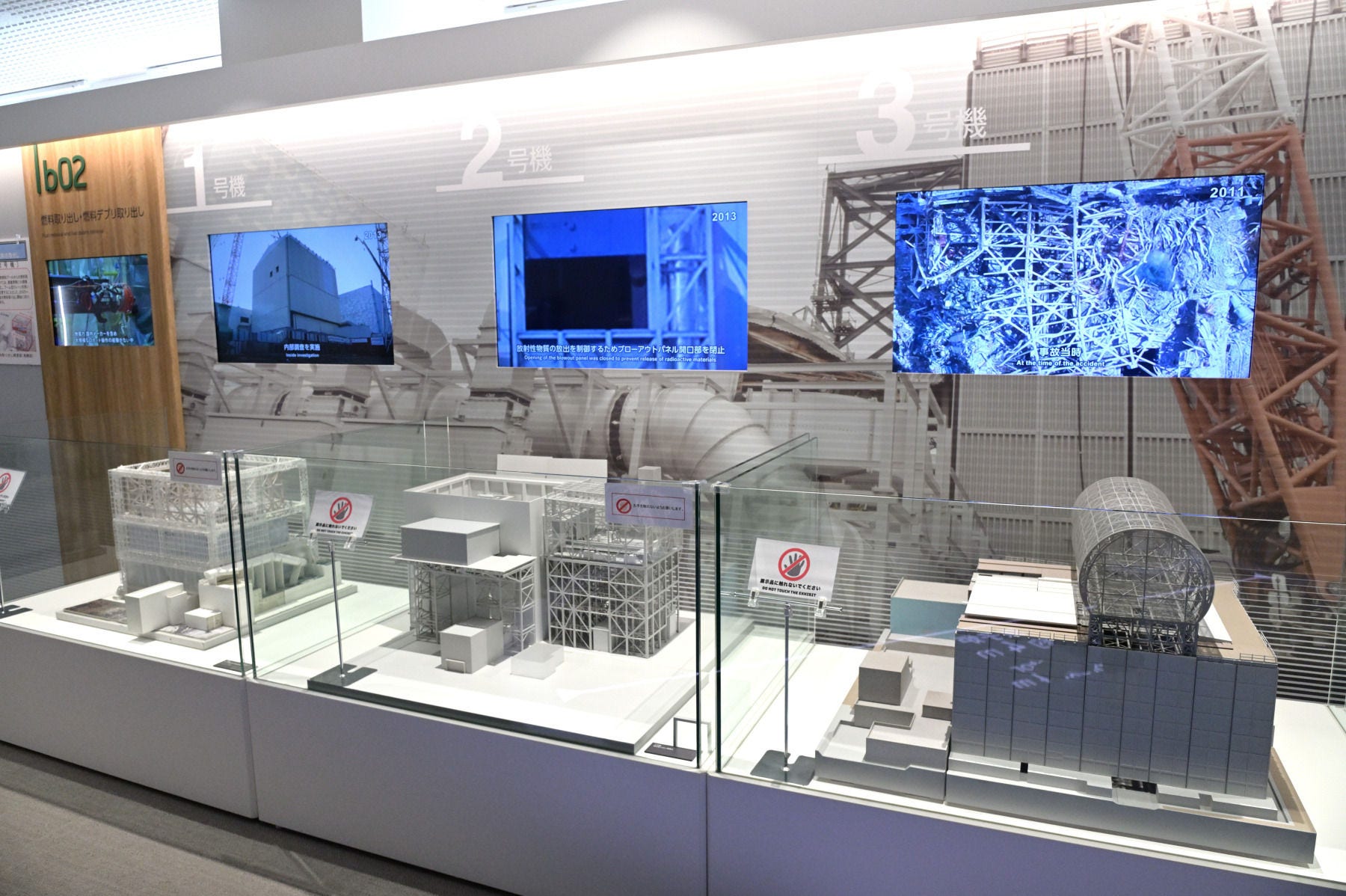
As a result, Unit 1, Unit 2 and Unit 3, which were operating at the time, lost cooling capacity, leading to fuel meltdowns. The hydrogen produced as a result caused hydrogen explosions in the Unit 1, Unit 3 and Unit 4 buildings. A large amount of radioactive material was released into the environment. Immediately following the accident, the scope of evacuation orders issued by the government to residents extended to a 20-kilometer radius around the power station, forcing some 160,000 people to flee.
Due to the efforts of the Self-Defense Forces, firefighters, police, affiliated companies and others involved, the accident was brought under control thereafter, with all units achieving cold shutdown in December 2011. The situation has remained stable in the years since. As radioactive materials were decontaminated and infrastructure and living conditions improved, the evacuation orders were gradually lifted, and today only the so-called “difficult-to-return” zone remains unoccupied. While the daily lives of many people are still affected to this day, progress is still being made toward recovery.
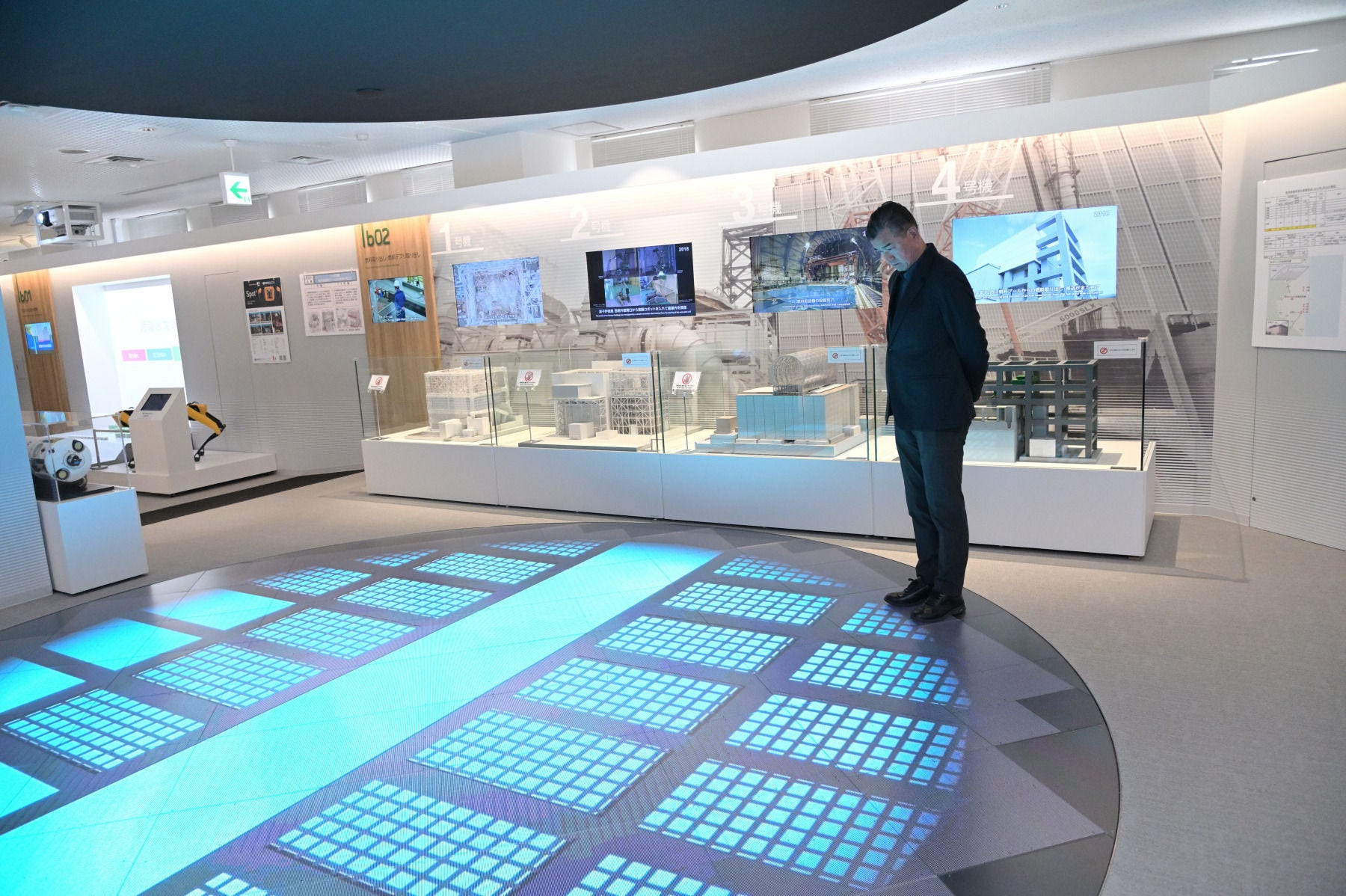
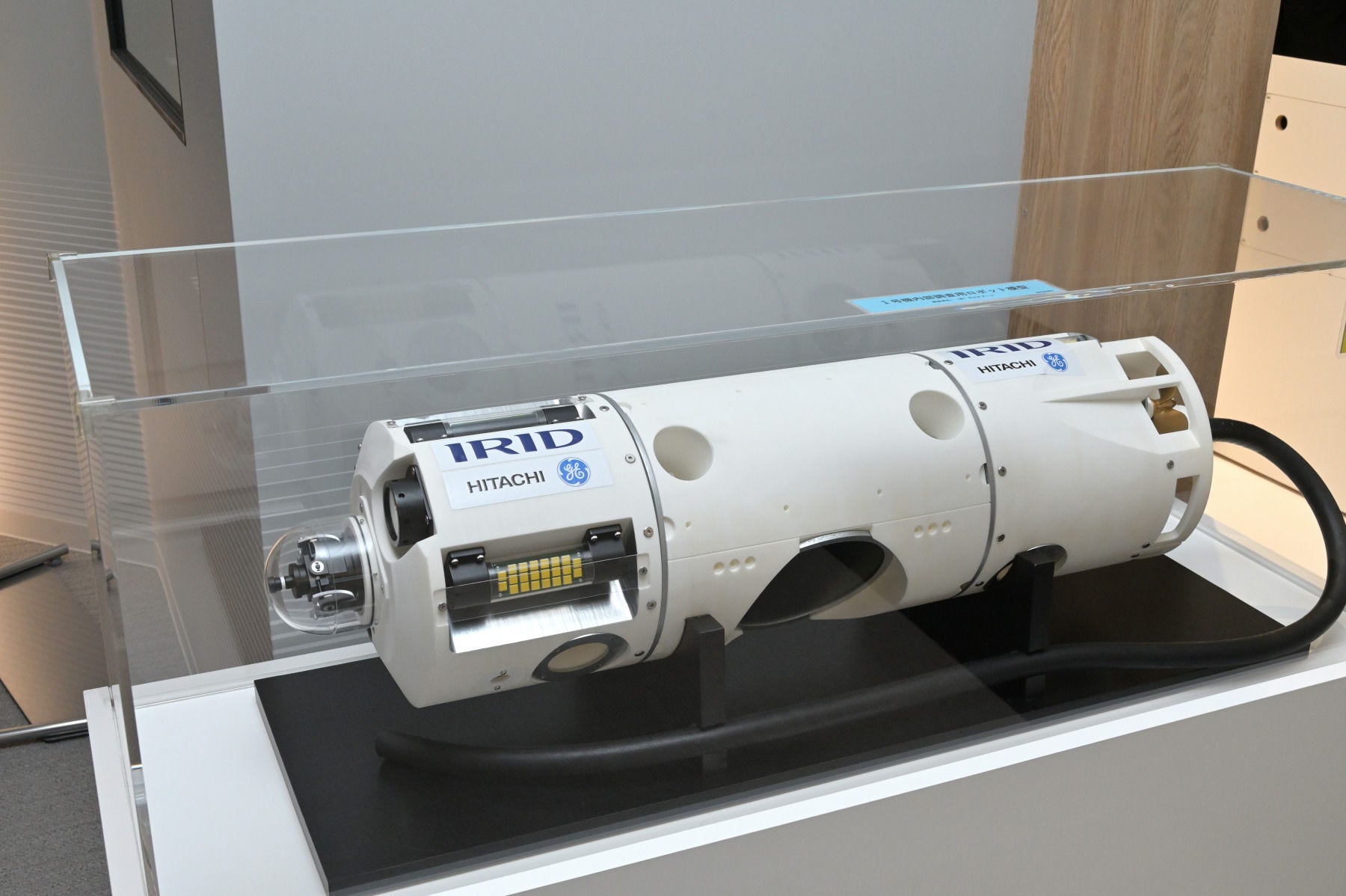
In response to this accident, the decision was made to decommission all reactors at the Fukushima Daiichi Nuclear Power Station, including Units 5 and 6 that were shut down for scheduled inspections at the time of the accident. The decommissioning faces a long road ahead, and is expected to take at least thirty to forty years.










_thumb.jpg)
_thumb.jpg)